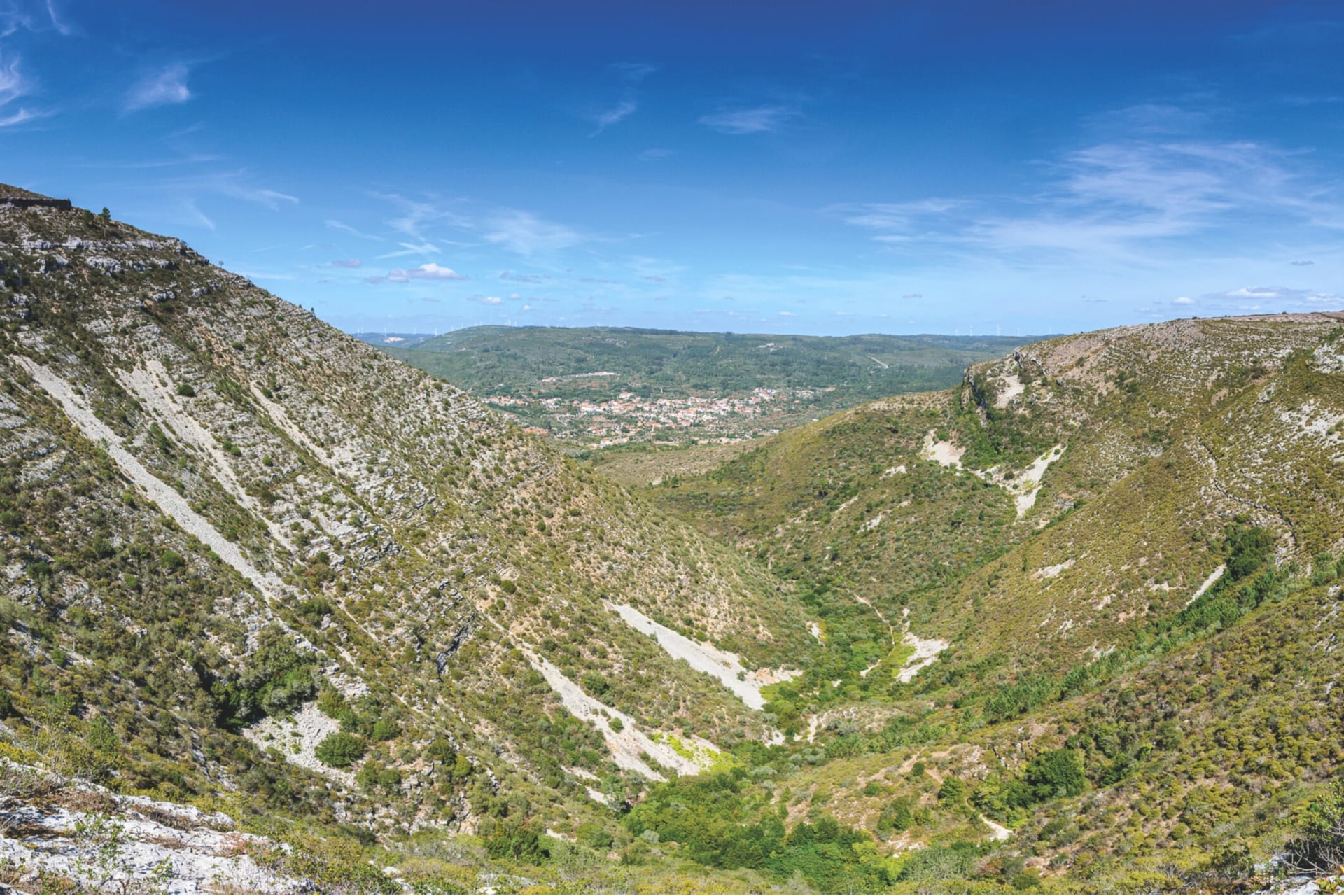
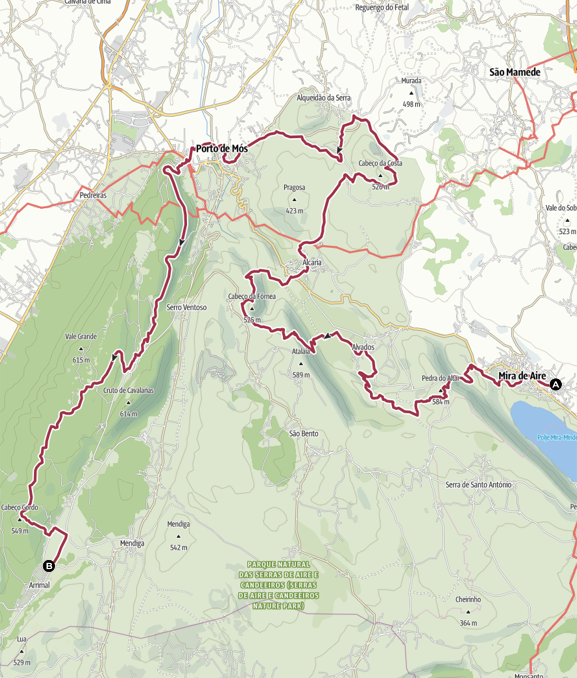
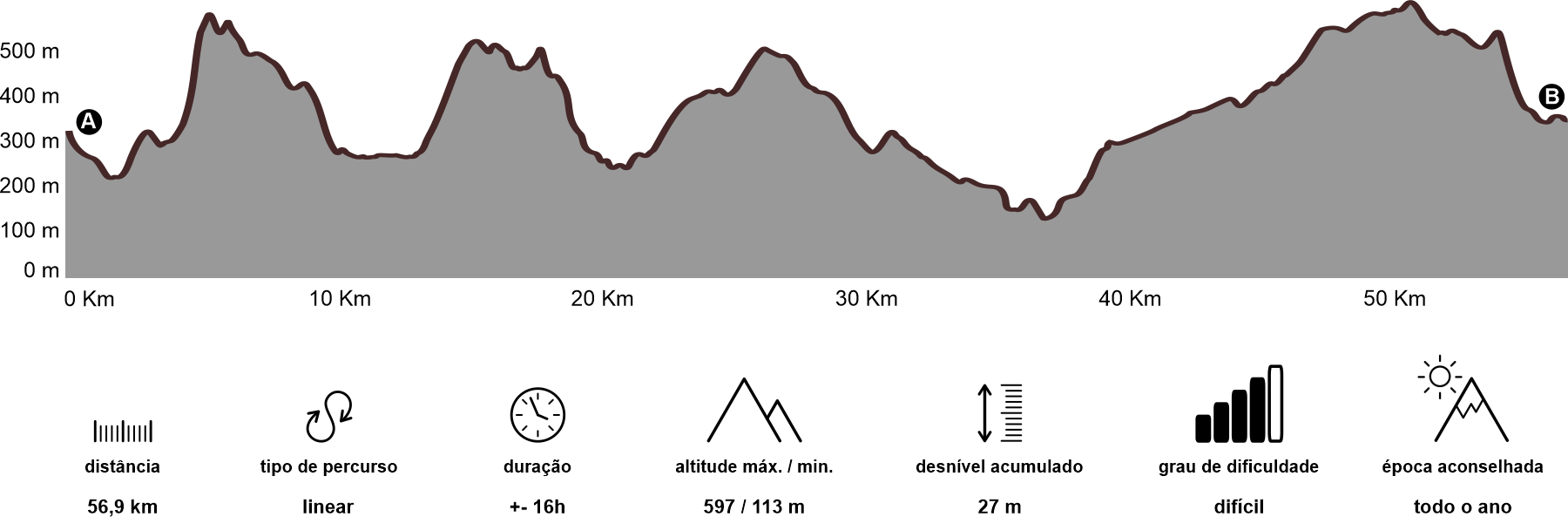
Percorrer estes 57 km é aceitares um convite para entrar no coração pulsante do Maciço Calcário Estremenho. Mais do que um trilho, este troço que une Mira de Aire ao Arrimal é uma imersão na identidade de um território onde a pedra não é apenas paisagem, é o sustento, o abrigo e a arte de quem aqui vive. És desafiado a descobrir um mosaico onde o património natural da Serra de Aire e Candeeiros se entrelaça com milénios de história humana.
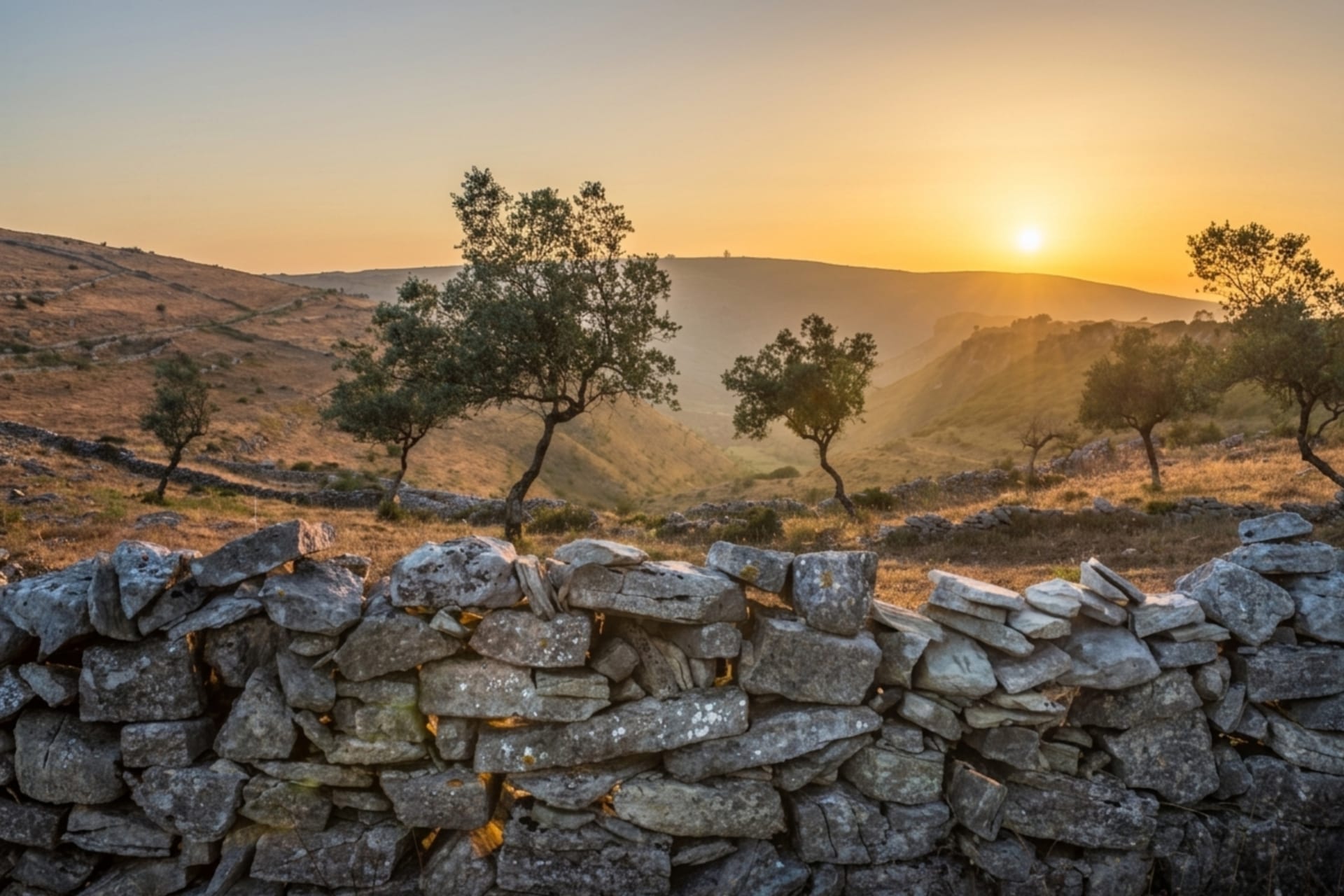
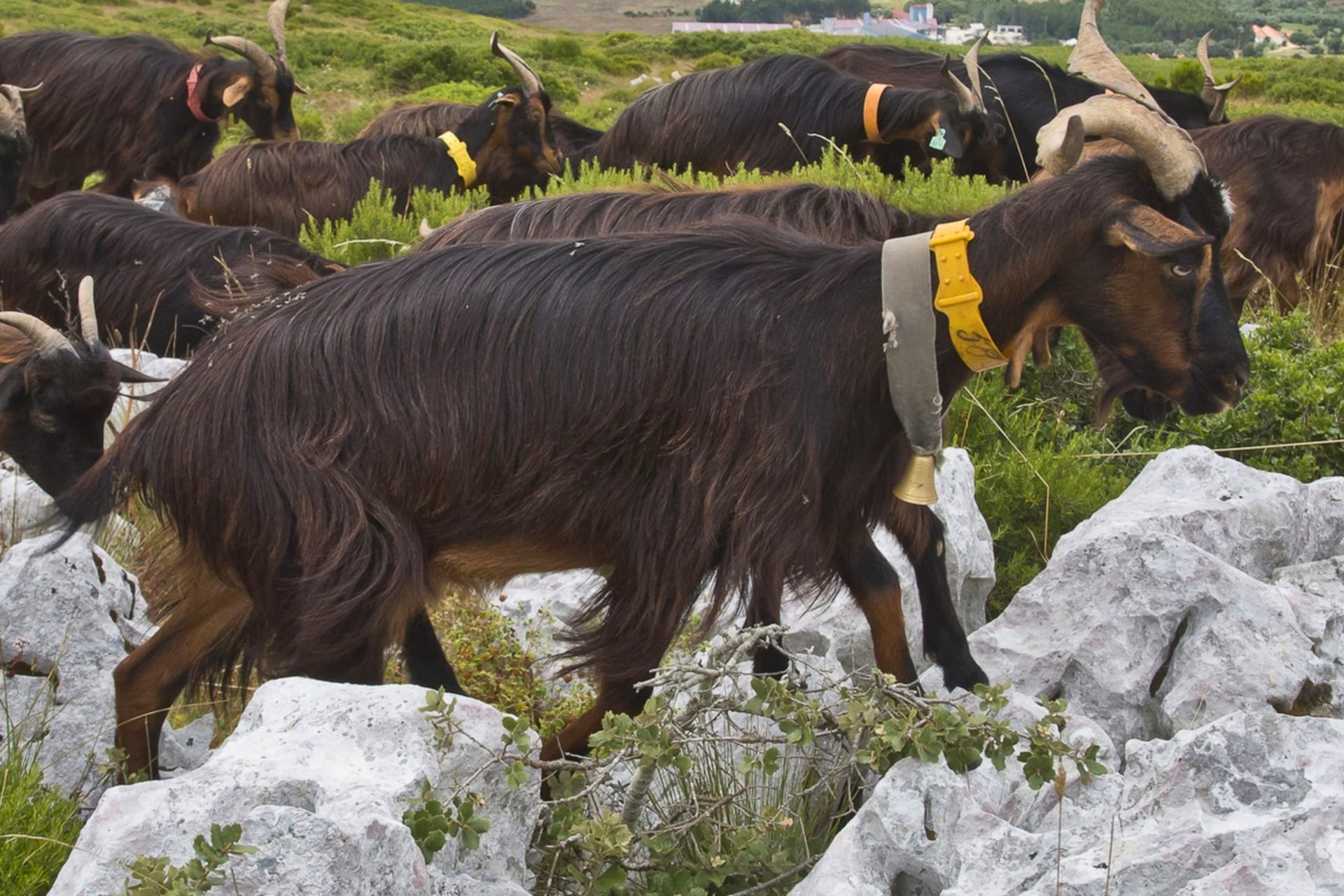
Ao longo do caminho, o subsolo revela-se em catedrais geológicas únicas, enquanto à superfície a biodiversidade floresce entre a rocha nua. É o habitat de orquídeas selvagens, alecrim, carvalhais antigos e da emblemática gralha-de-bico-vermelho, que vigia os céus. Mas a serra é também um palco de trabalho. O percurso é pontuado pela arte dos muros de pedra seca, Património Imaterial da Humanidade, que dividem propriedades e protegem olivais centenários. É frequente cruzares-te com rebanhos de cabras e ovelhas, guiados por pastores que mantêm viva a tradição e que dão origem aos famosos queijos da região.
A história humana revela-se em cada quilómetro, desde as lajes gastas da calçada romana às chaminés industriais que lembram o passado têxtil e mineiro, passando pela imponência singular do Castelo de Porto de Mós. A gastronomia reconforta o esforço da tua caminhada, com os sabores intensos da carne de cabrito, o azeite de excelência e a doçaria conventual e popular. Esta é uma rota de sentidos, onde o silêncio da serra se mistura com as histórias das suas gentes.
Pontos de Interesse
-
 Grutas de Mira de Aire
-
Parque Natural das Serras de Aire e Candeeiros
-
Fórnea
-
Castelo de Porto de Mós
-
Centro de Interpretação da Batalha de Aljubarrota
-
Arco da Memória
-
Estrada Romana de Alqueidão da Serra
-
Ecopista de Porto de Mós
-
Central das Artes
-
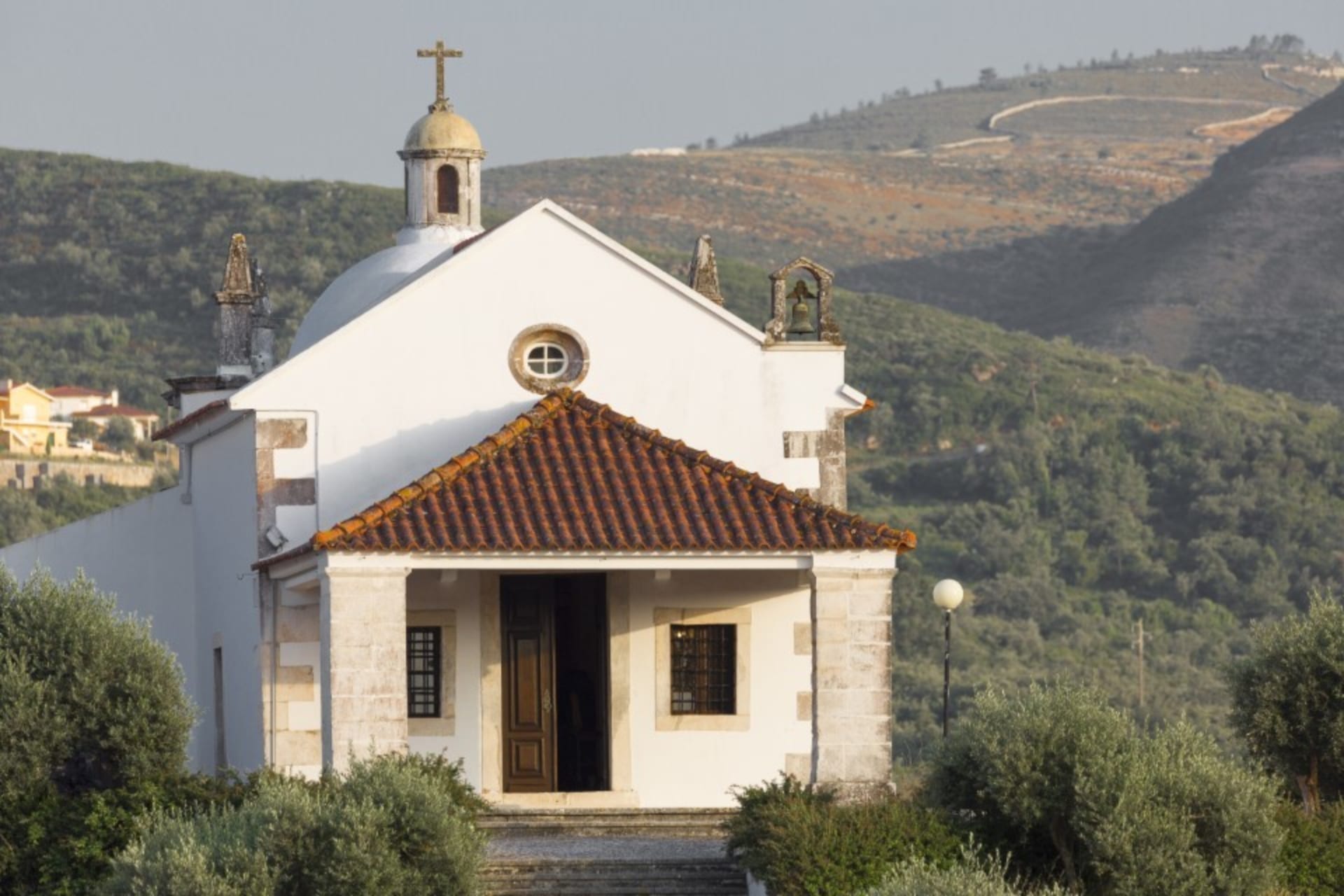
Igreja de São Miguel
Como Chegar
 GPS (A)
GPS (B)
GPS (A)
GPS (B)

.png)
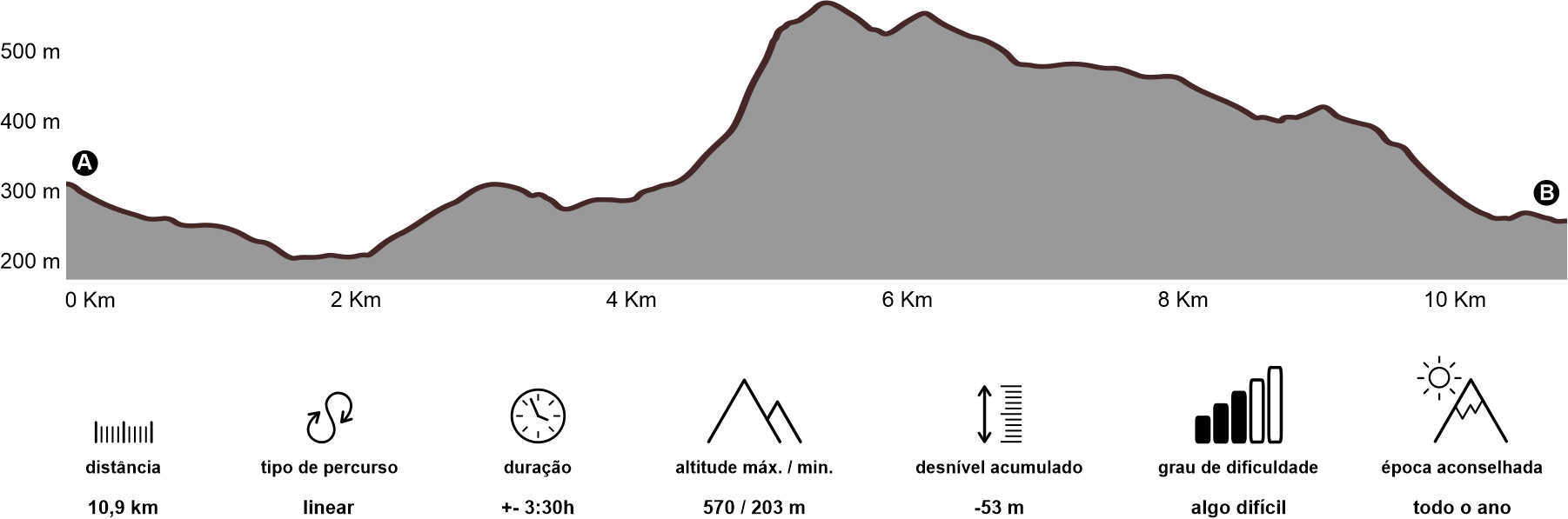
Nesta etapa do percurso, pisas um solo que esconde segredos milenares. A região entre Mira de Aire e o Orçário é a porta de entrada para o fascinante mundo subterrâneo de Portugal. Aqui, a geologia é a protagonista absoluta, com destaque para as monumentais Grutas de Mira de Aire e de Santo António. Enquanto caminhas à superfície, por entre o calcário lapidado pela chuva e pelo vento, imagina as galerias, os lagos e as estalactites que a água esculpiu pacientemente no escuro, criando verdadeiros palácios naturais que merecem a tua visita.
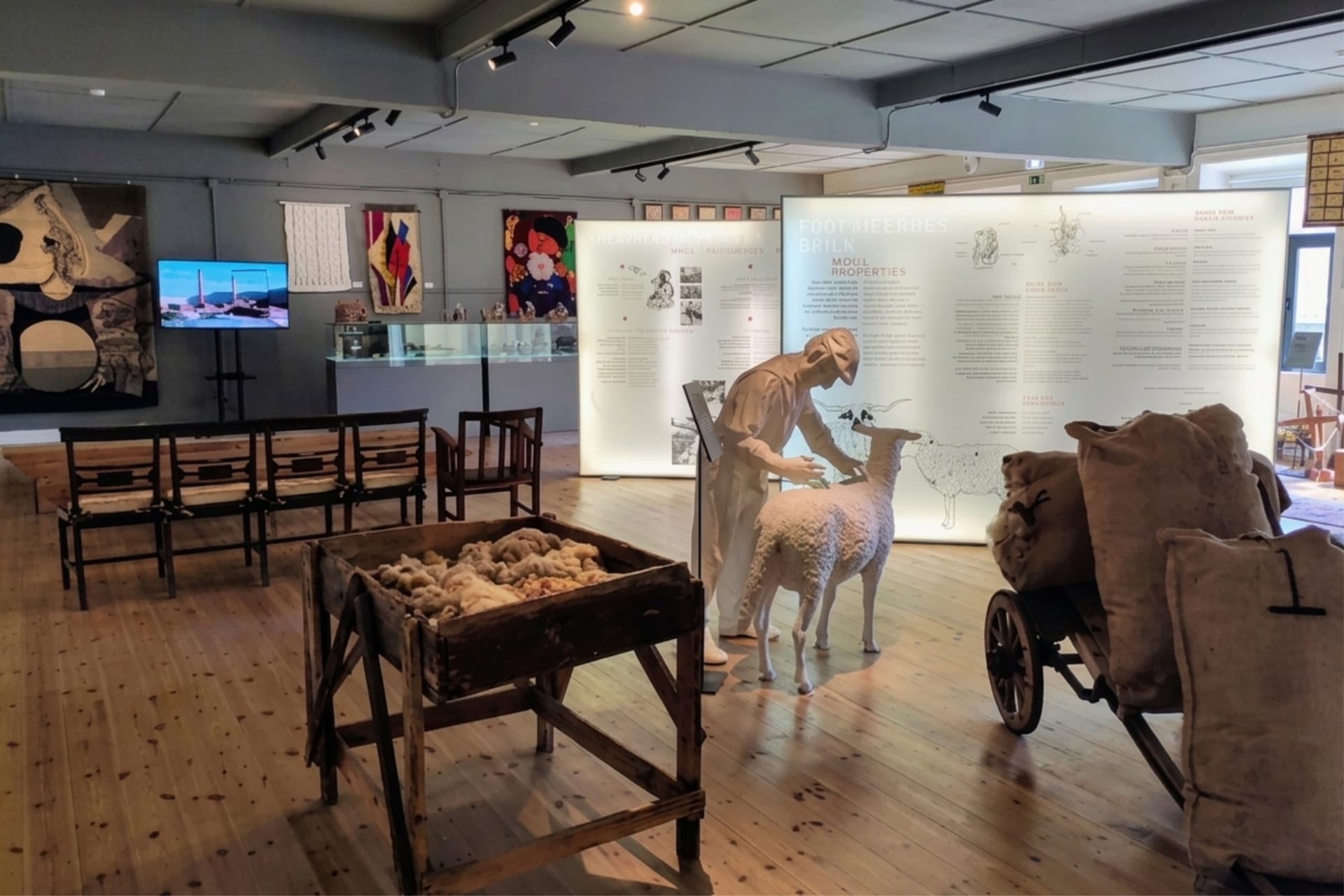
Mas Mira de Aire oferece também um outro tipo de profundidade, a histórica. A paisagem urbana e periurbana deixa transparecer a herança de uma vila que foi um motor da indústria têxtil. Antigas estruturas e chaminés pontuam o horizonte, lembrando tempos de teares e operários.
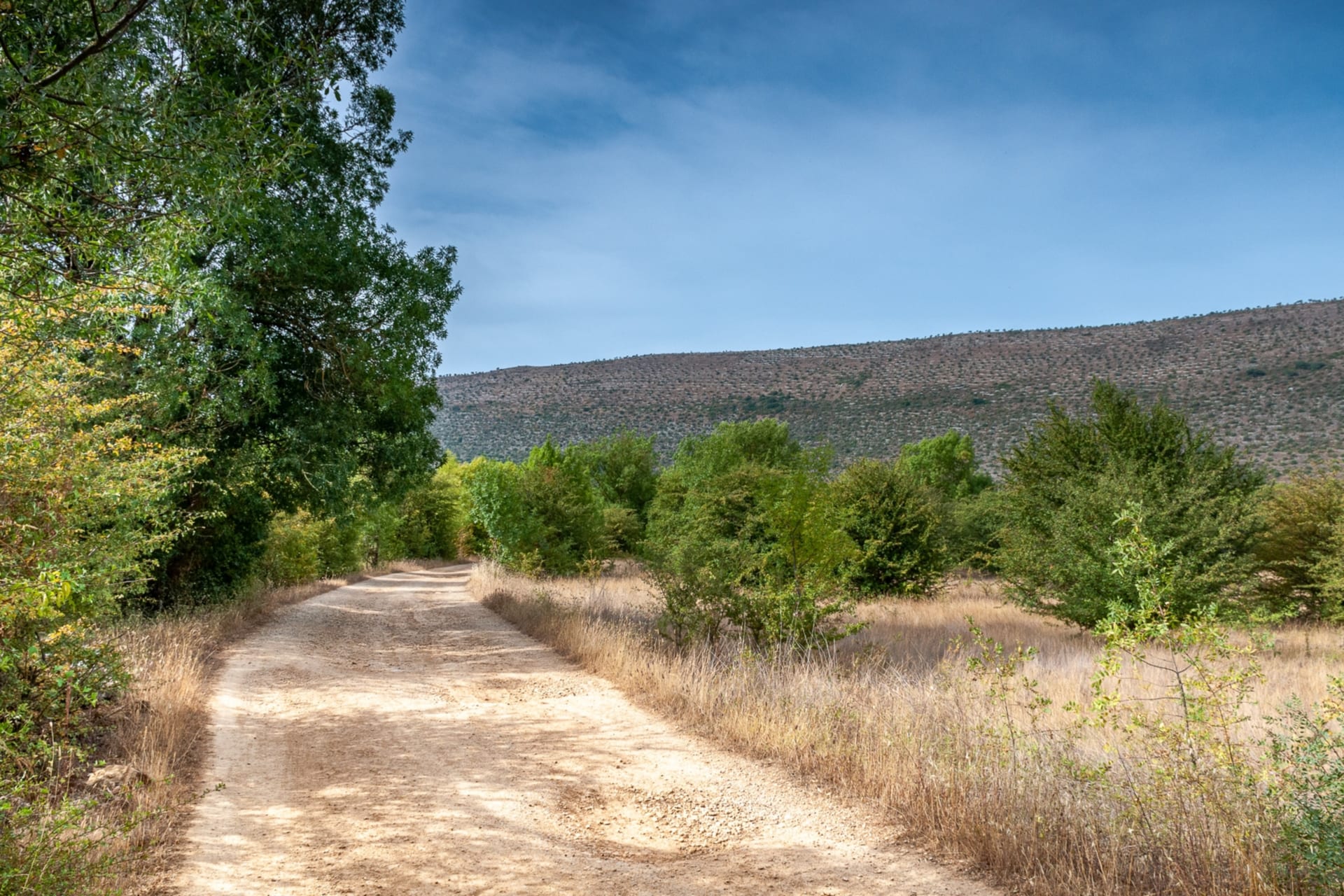
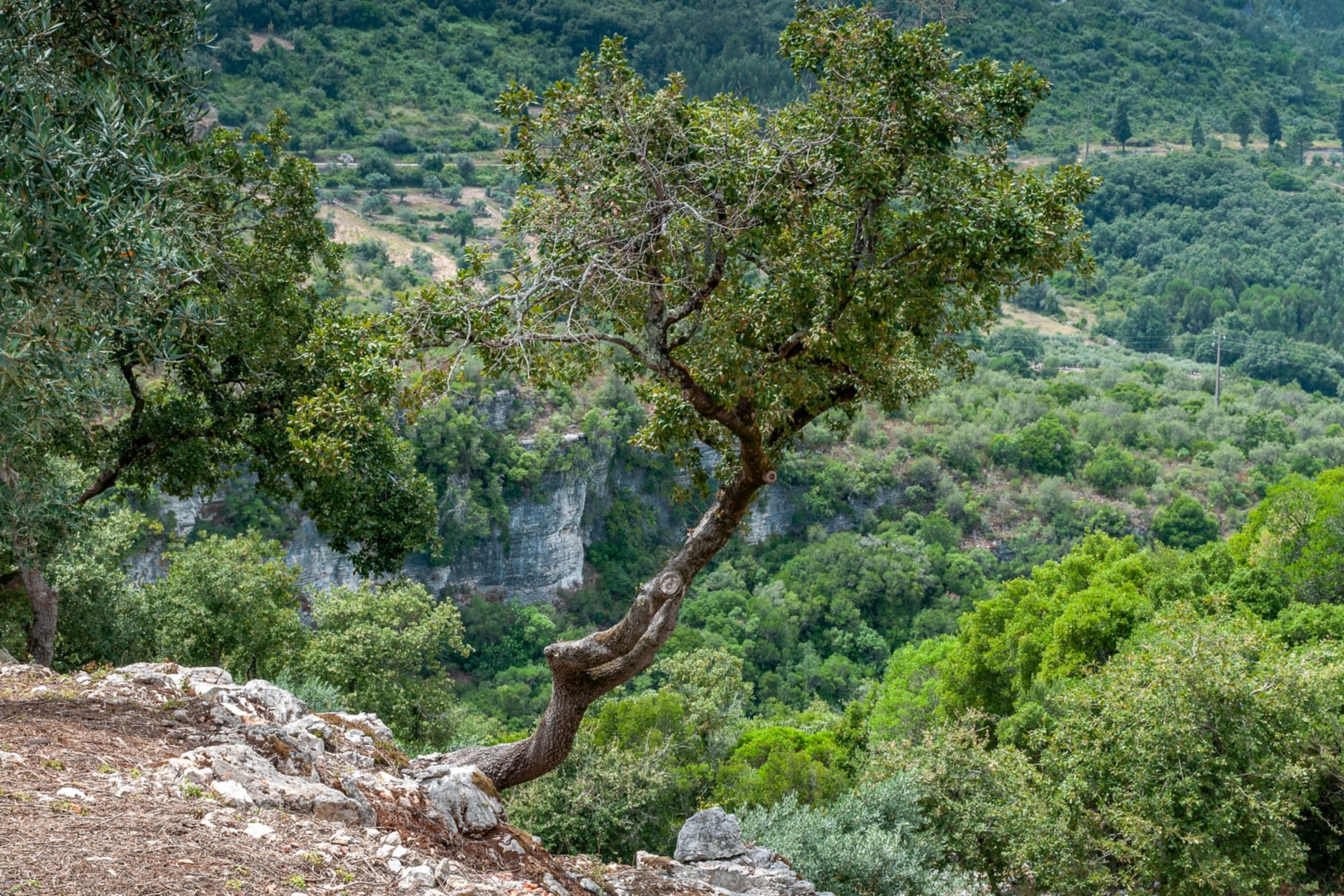
O percurso avança por trilhos rurais que serpenteiam a encosta, onde a flora mediterrânica, o carrasco, o medronheiro e as aromáticas, perfuma o ar, criando um contraste vibrante com a aridez aparente da rocha.
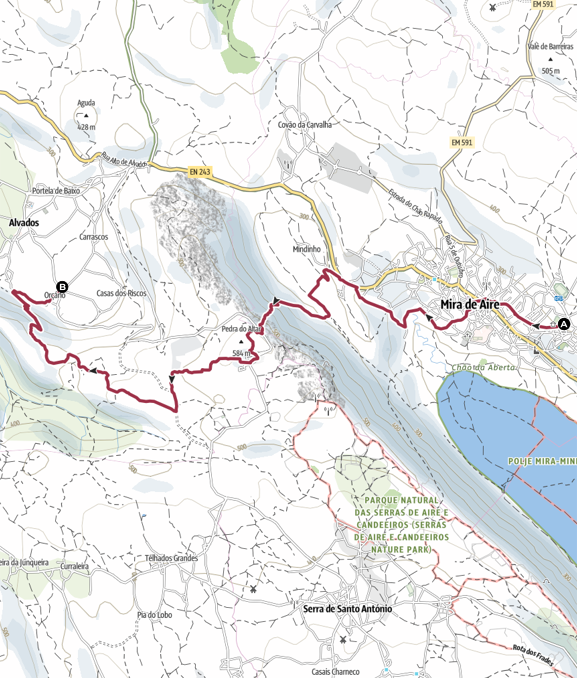
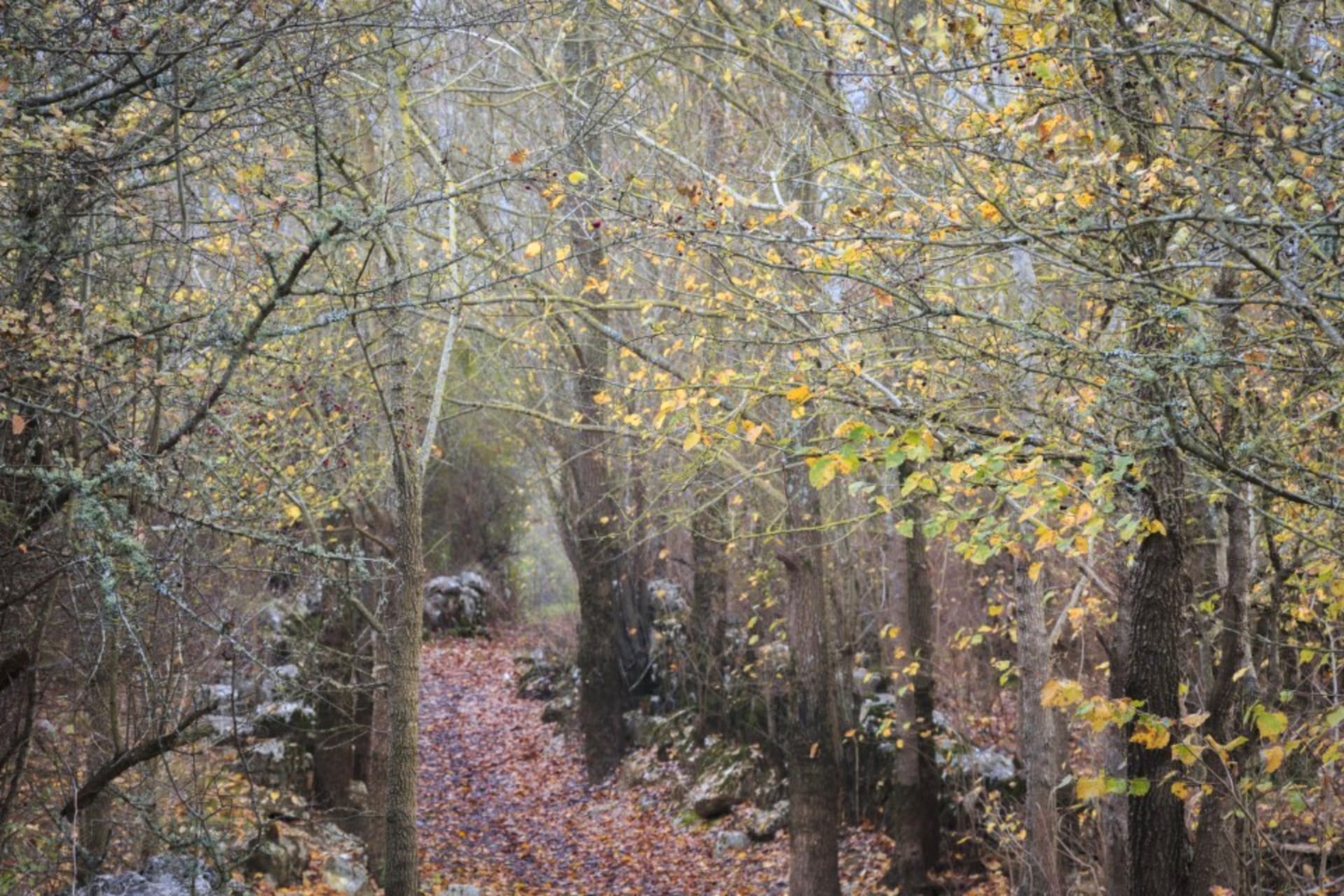
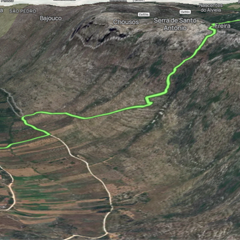
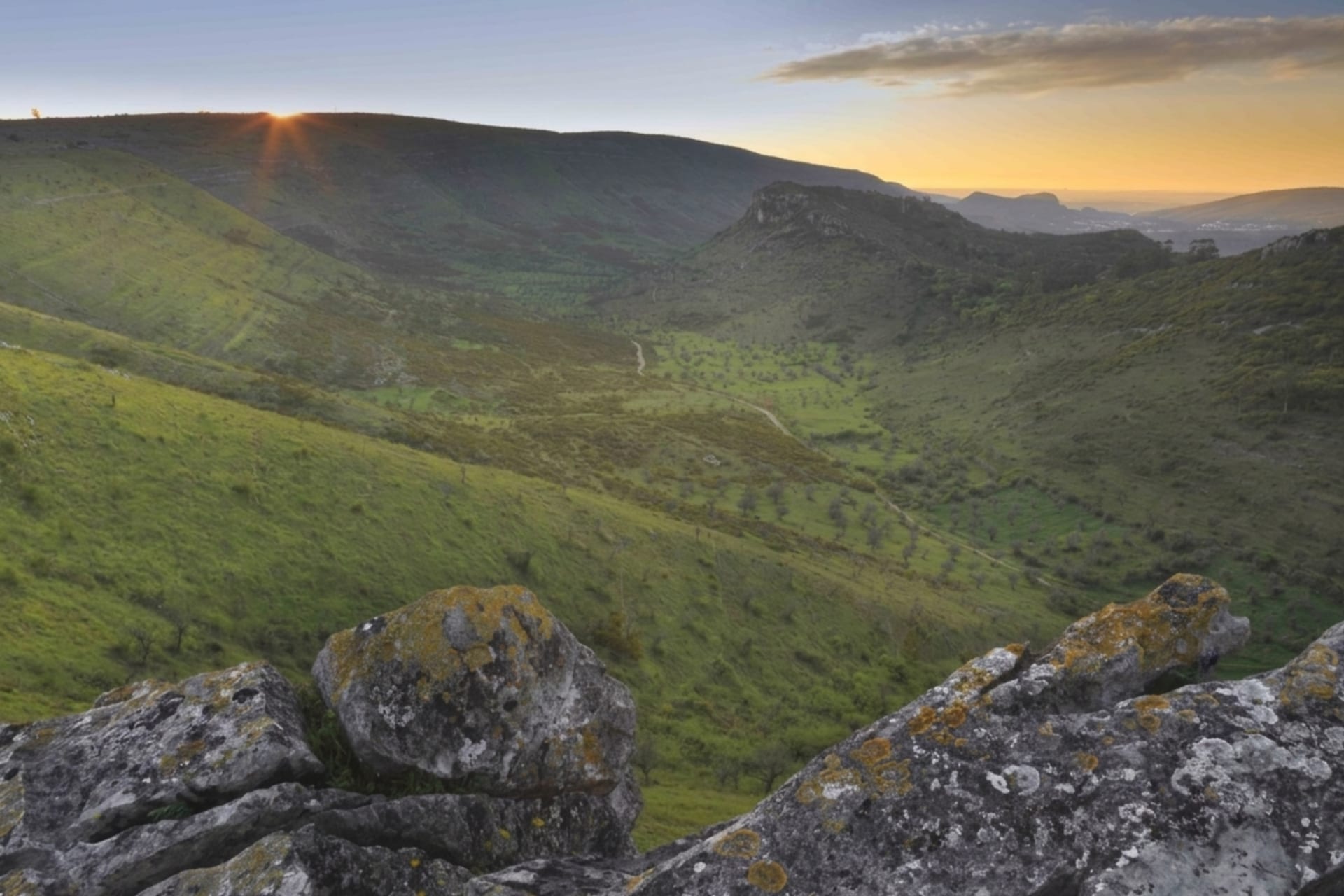
Esta etapa assume-se como uma lição viva de geografia e biologia. Ao atravessares a zona de Alvados, entras num território de grande riqueza ecológica, onde o Centro de Interpretação local funciona como farol de conhecimento. Nos vales mais húmidos, a vegetação ganha densidade e os carvalhos-cerquinhos criam túneis de sombra refrescante.
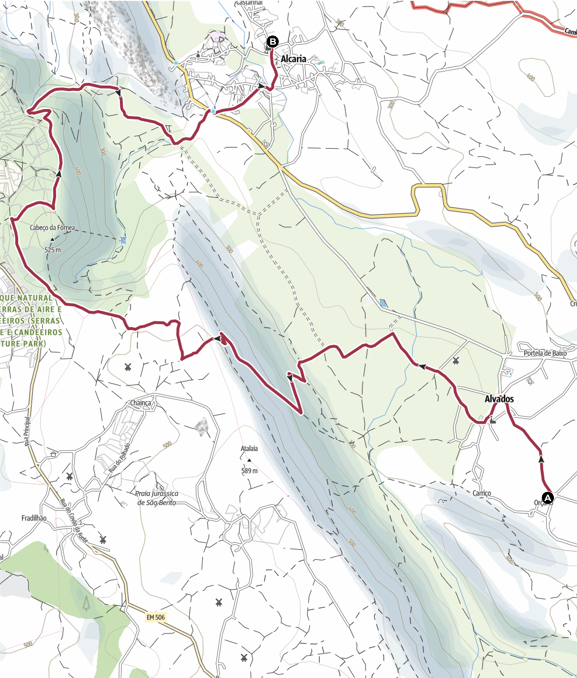
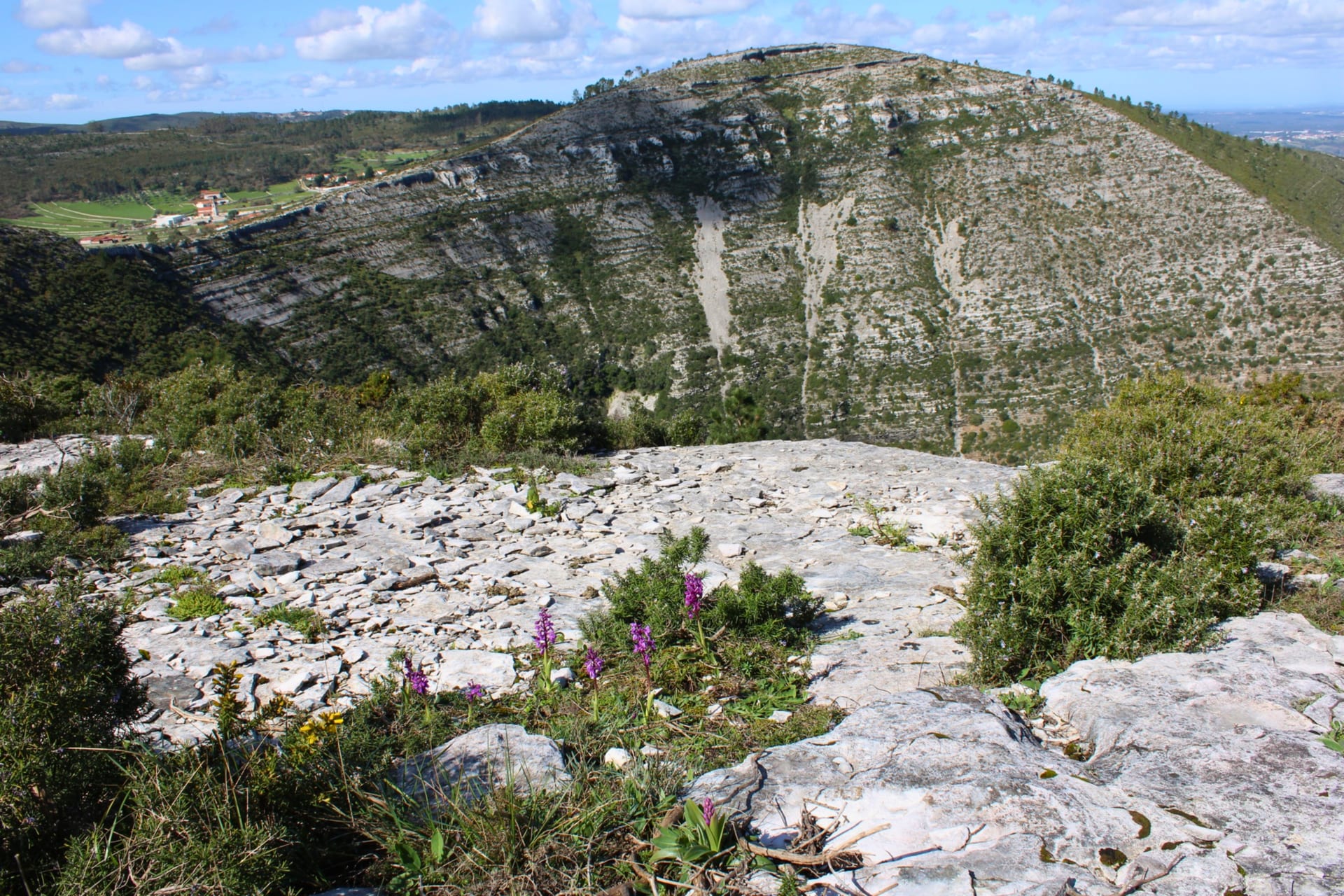
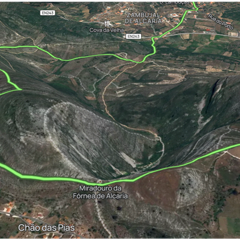
Entre o Orçário e Alcaria, a paisagem rasga-se em cenários de cortar a respiração, dominados pelo Polje de Alvados e Minde e, sobretudo, pela majestosa Fórnea. Este anfiteatro natural, um abatimento perfeito em forma de taça, é um dos locais mais fotogénicos de todo o Parque Natural. O Miradouro da Fórnea oferece o camarote ideal para compreenderes a força da erosão e a escala do tempo geológico.
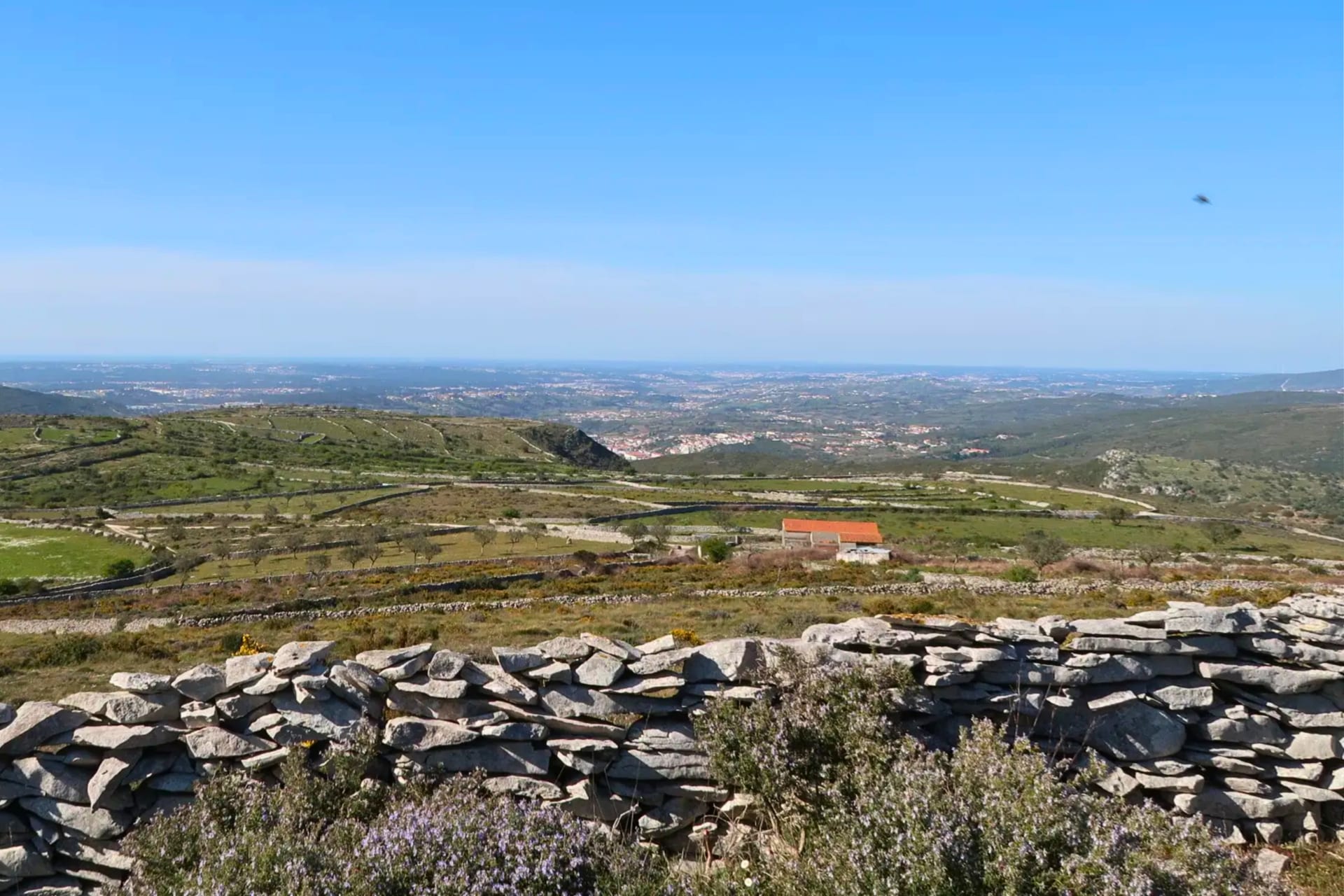
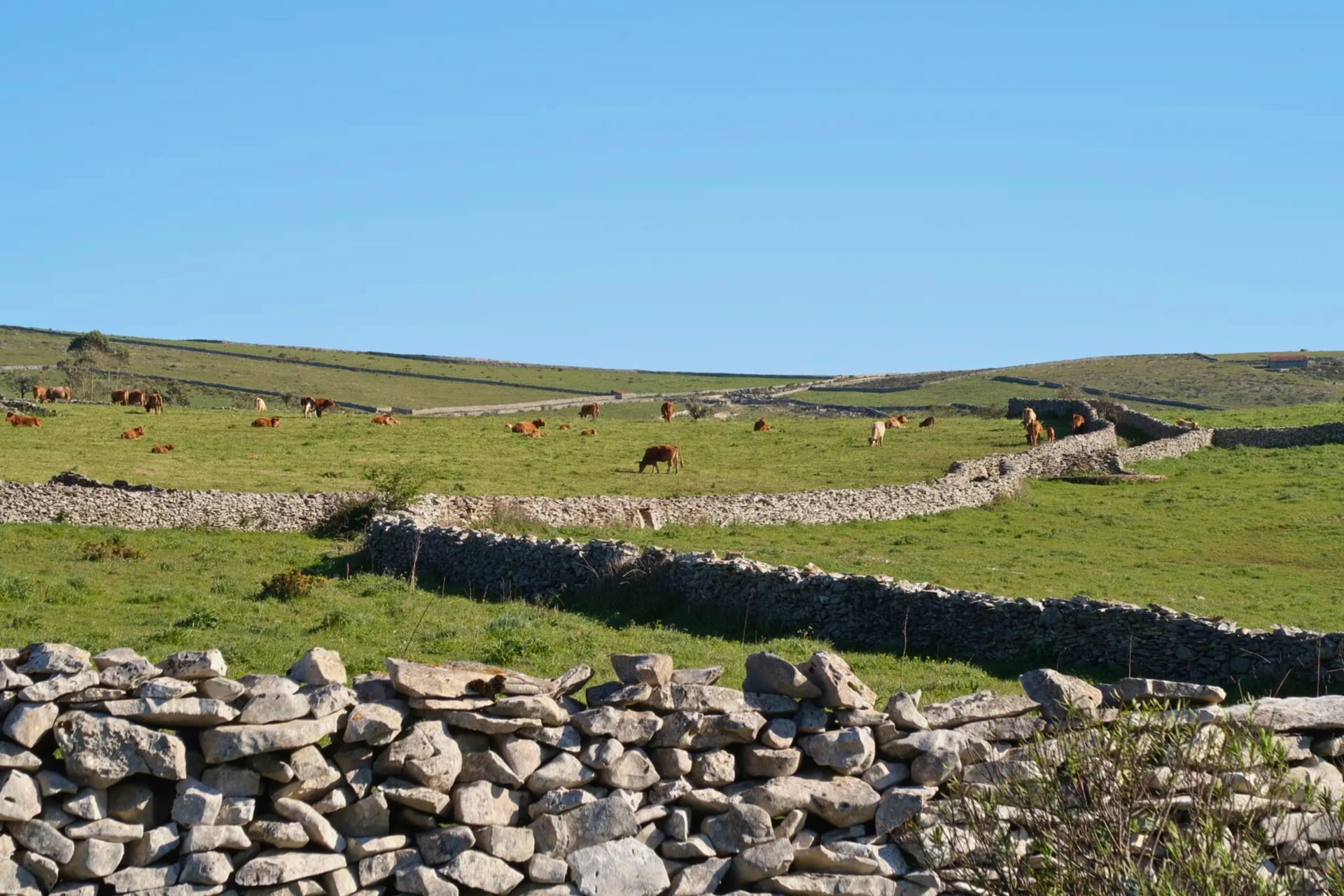
A presença humana integra-se neste cenário, as aldeias mantêm uma traça que respeita a montanha, com casas que parecem nascer da própria rocha. Sentes aqui uma harmonia perfeita entre a natureza e a agricultura serrana. No vasto mosaico de terrenos desenhados por muros de pedra solta, é frequente encontrares manadas de vacas a pastar livremente nestes 'currais' de altitude, compondo um quadro bucólico onde o silêncio é apenas quebrado pelo canto das aves e pelo vento nas cumeadas.
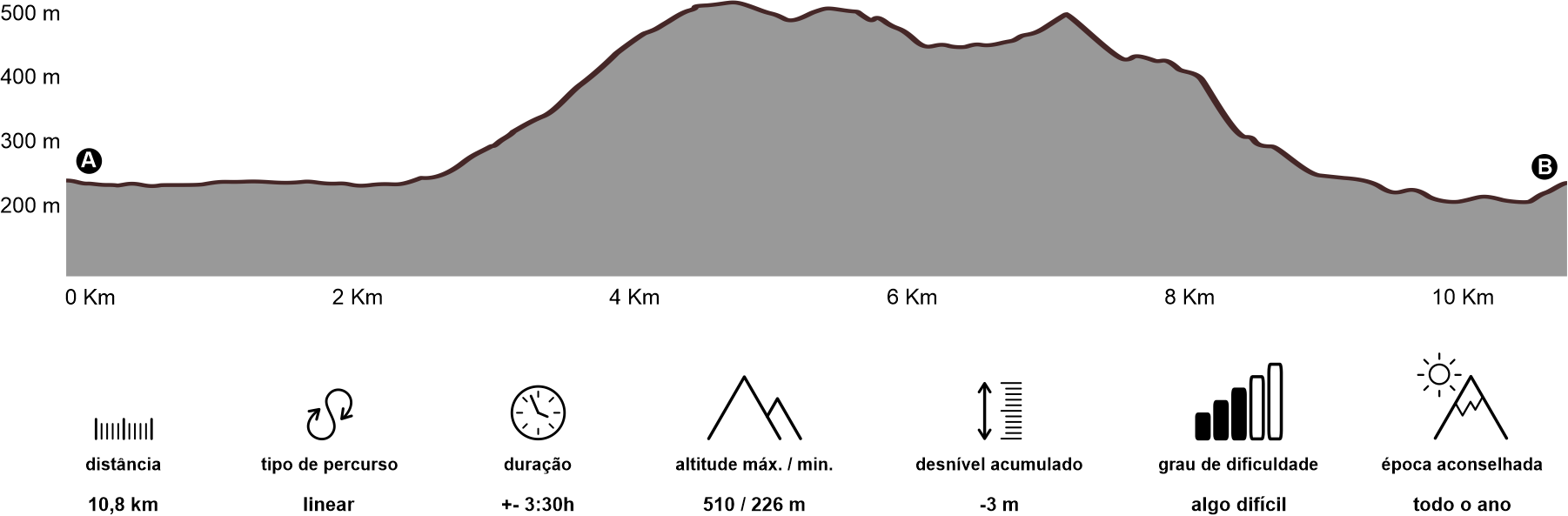
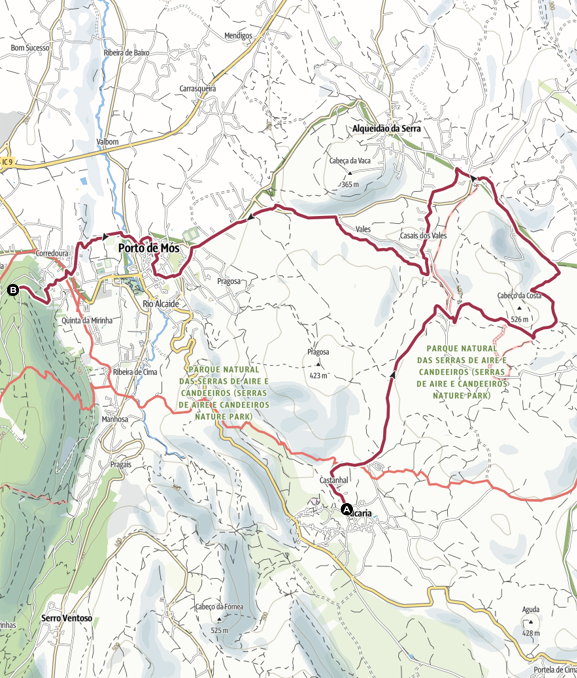
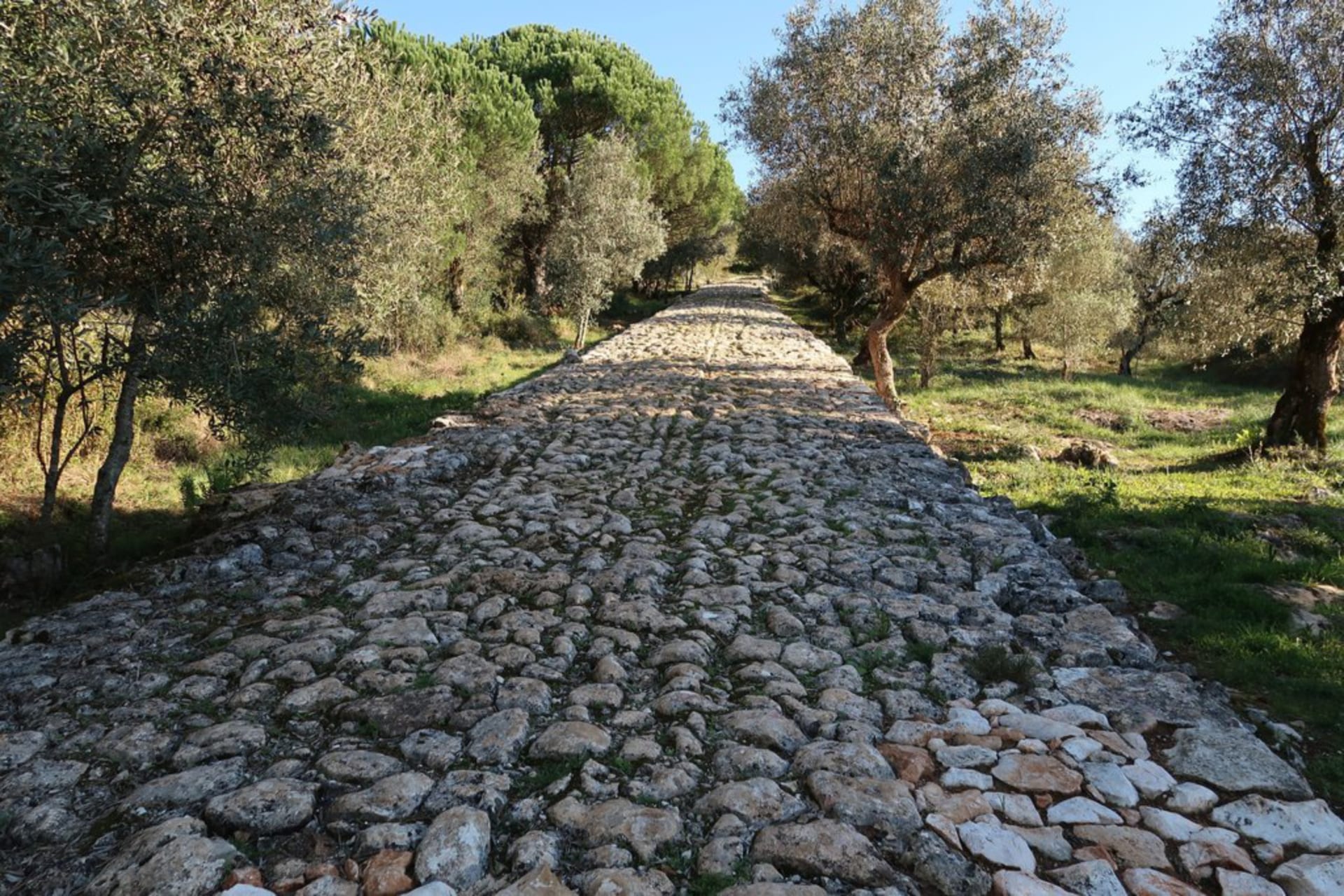
Nesta etapa do percurso, a natureza serve de moldura à engenharia e à memória coletiva. A ligação entre Alcaria e a Ecopista da Bezerra é uma autêntica viagem temporal, onde cada passo ecoa séculos de presença humana. O grande destaque é a monumental Estrada Romana do Alqueidão da Serra, aqui, pisas o mesmo lajeado que serviu o Império, podendo ainda observar e sentir os sulcos profundos deixados pelos rodados das carroças há dois milénios, uma marca indelével de antigas rotas comerciais.
A paisagem envolvente, nomeadamente na zona do Covão de Oles e Casais dos Vales, é um exemplo vivo da arquitetura popular. És acompanhado pela geometria dos muros de pedra seca e pelos 'chousos', que compartimentam a terra e provam a mestria das gentes locais em moldar a pedra para a agricultura.
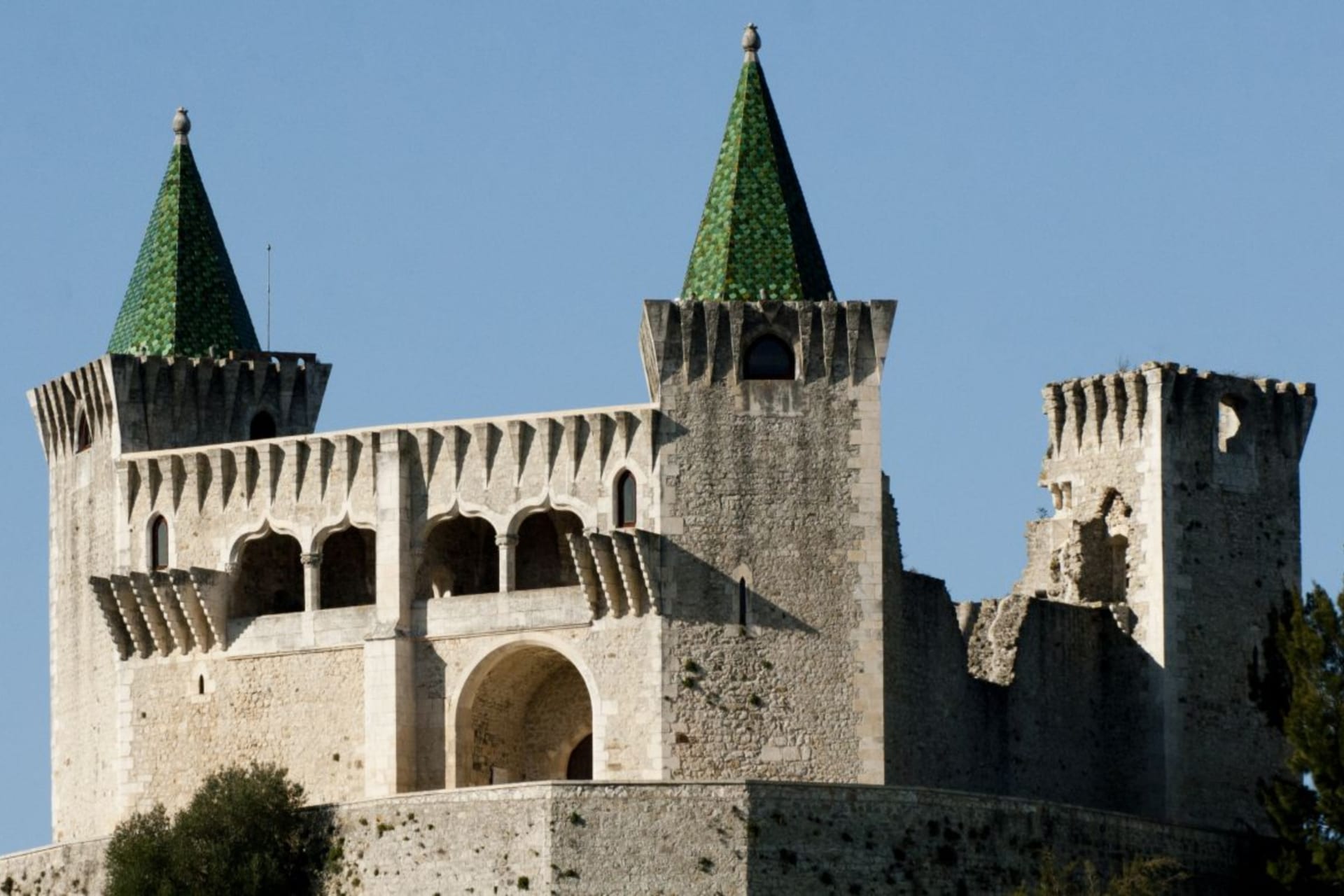
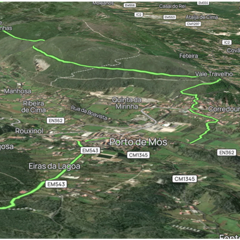
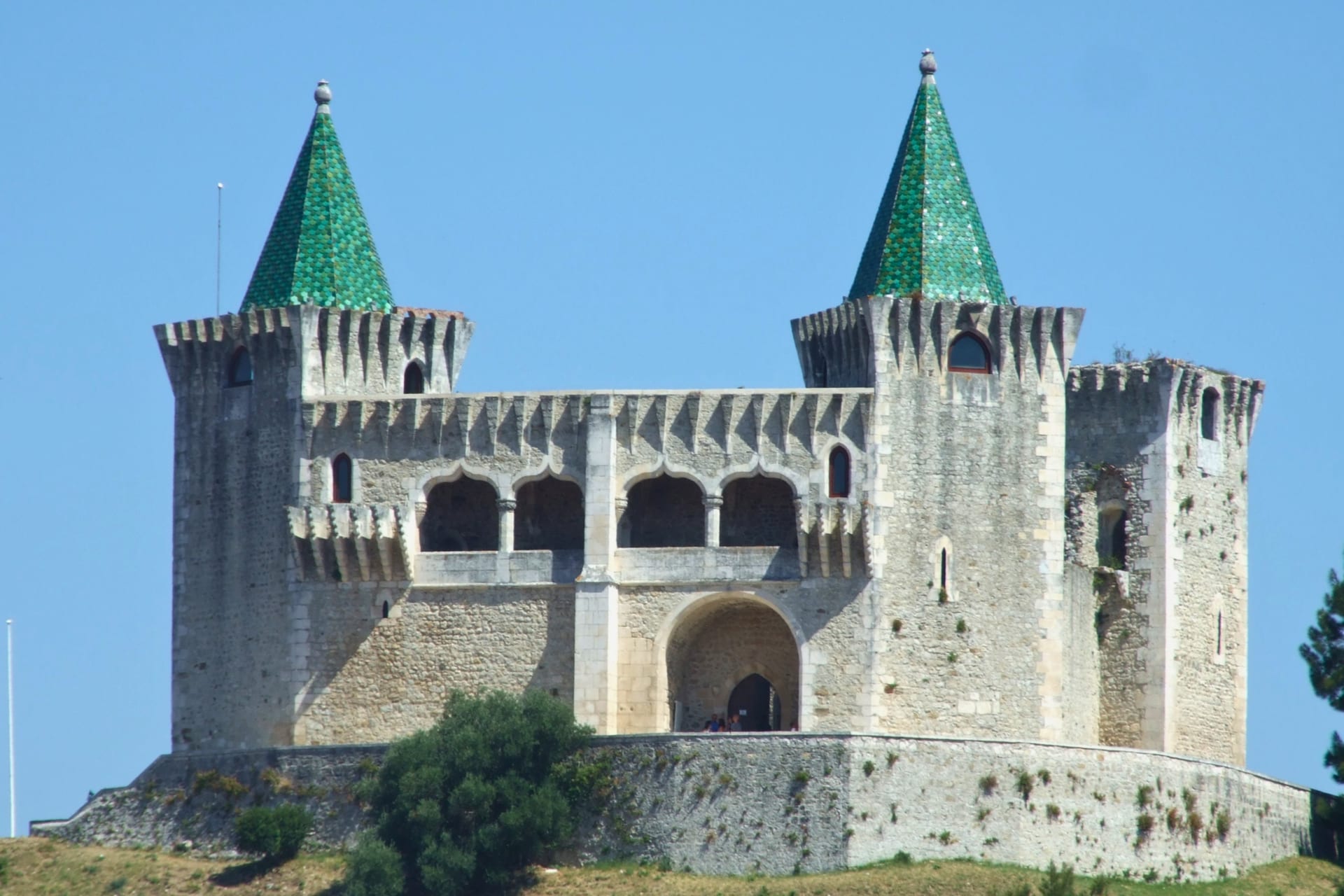
No coração desta etapa ergue-se, majestoso, o Castelo de Porto de Mós. Com a sua traça palaciana e as inconfundíveis torres de cúpulas verdes, este monumento vigia o vale do Rio Lena e convida-te a uma paragem obrigatória. A vila oferece ainda o Museu Municipal, onde se guardam tesouros que vão dos fósseis pré-históricos à etnografia local. É uma etapa onde a rudeza da serra se funde com a nobreza da história, oferecendo uma experiência cultural rica no meio da tua caminhada.
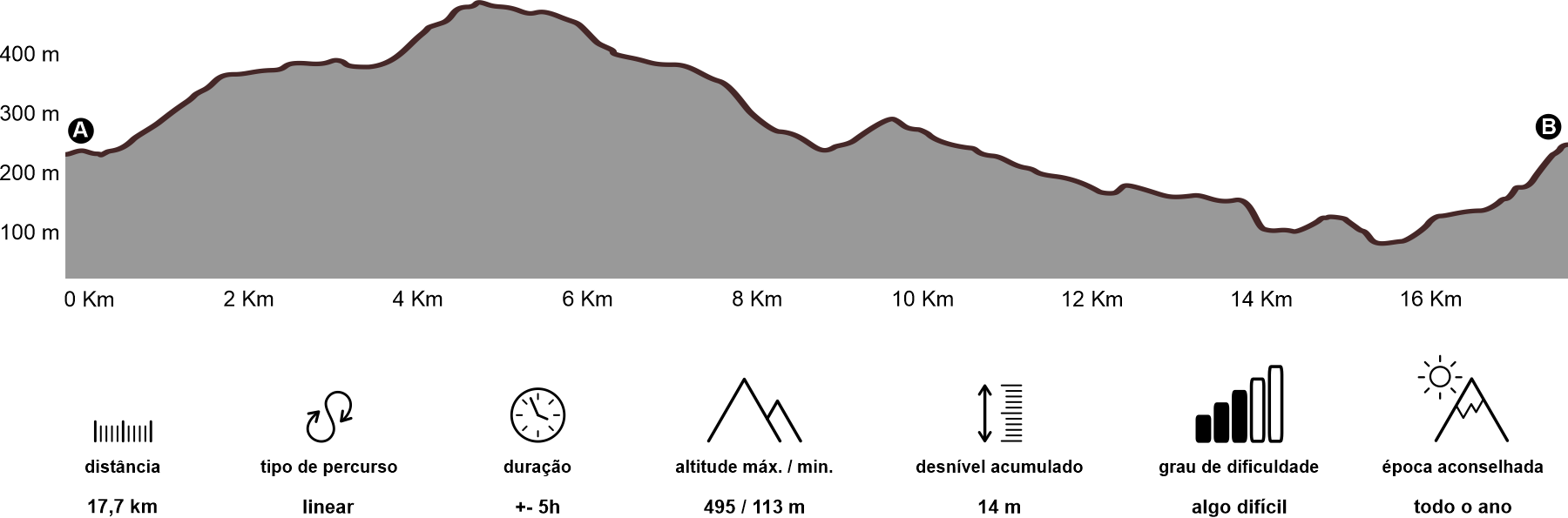
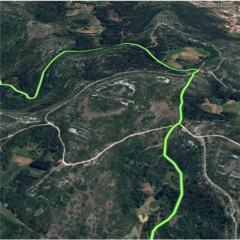
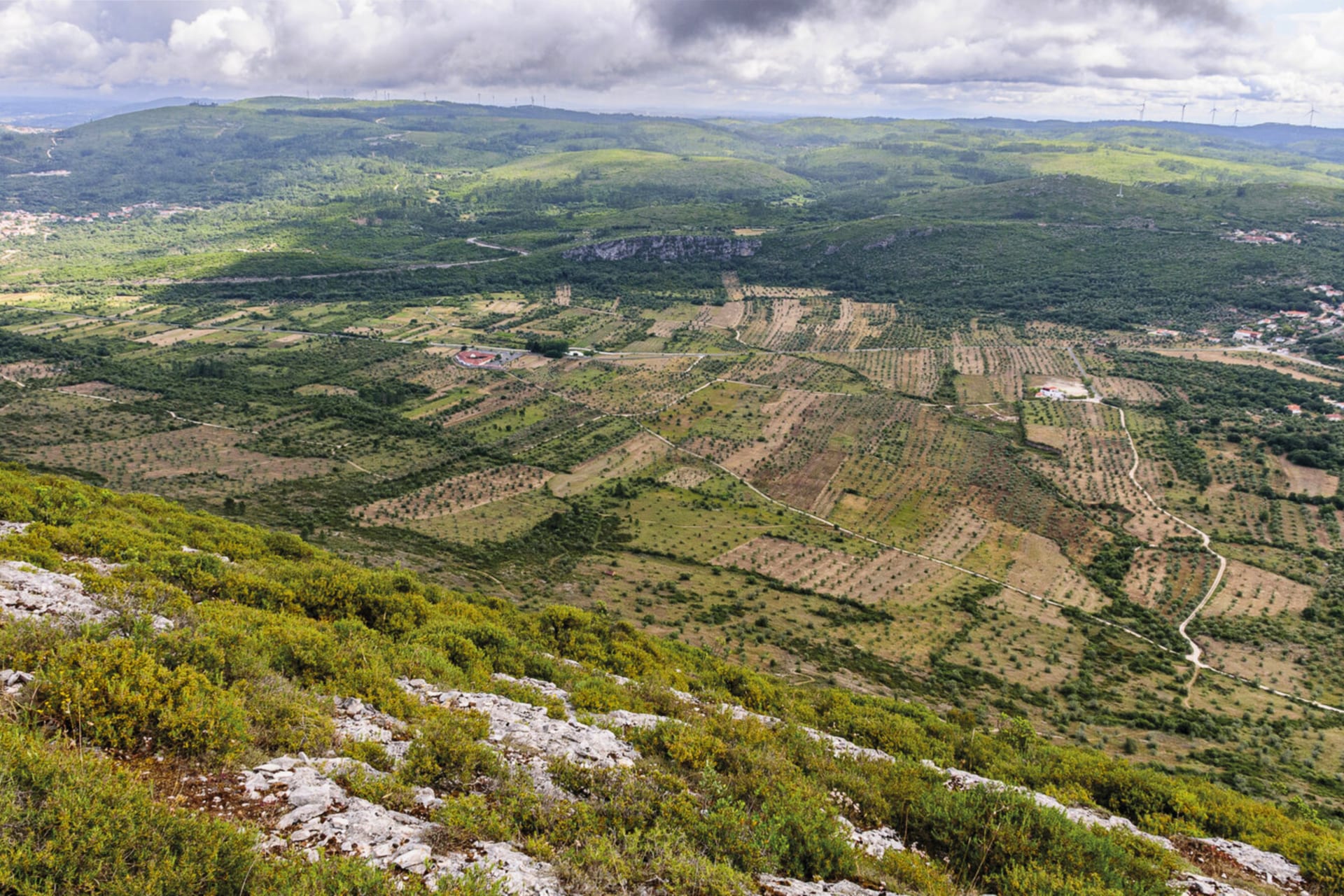
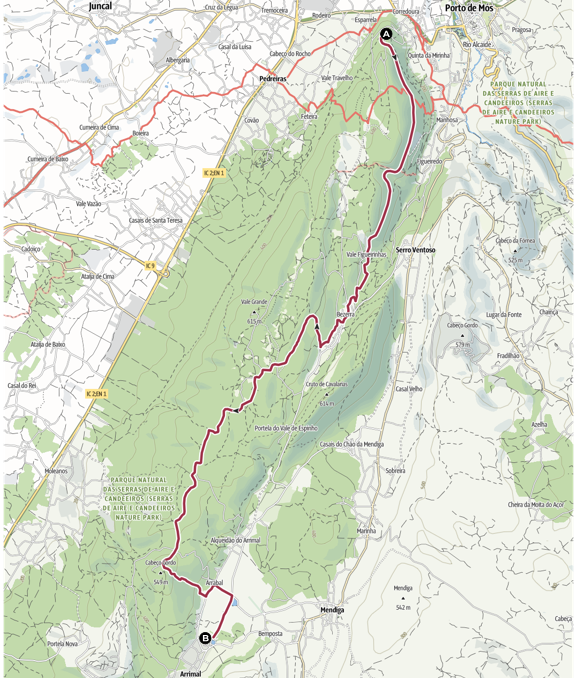
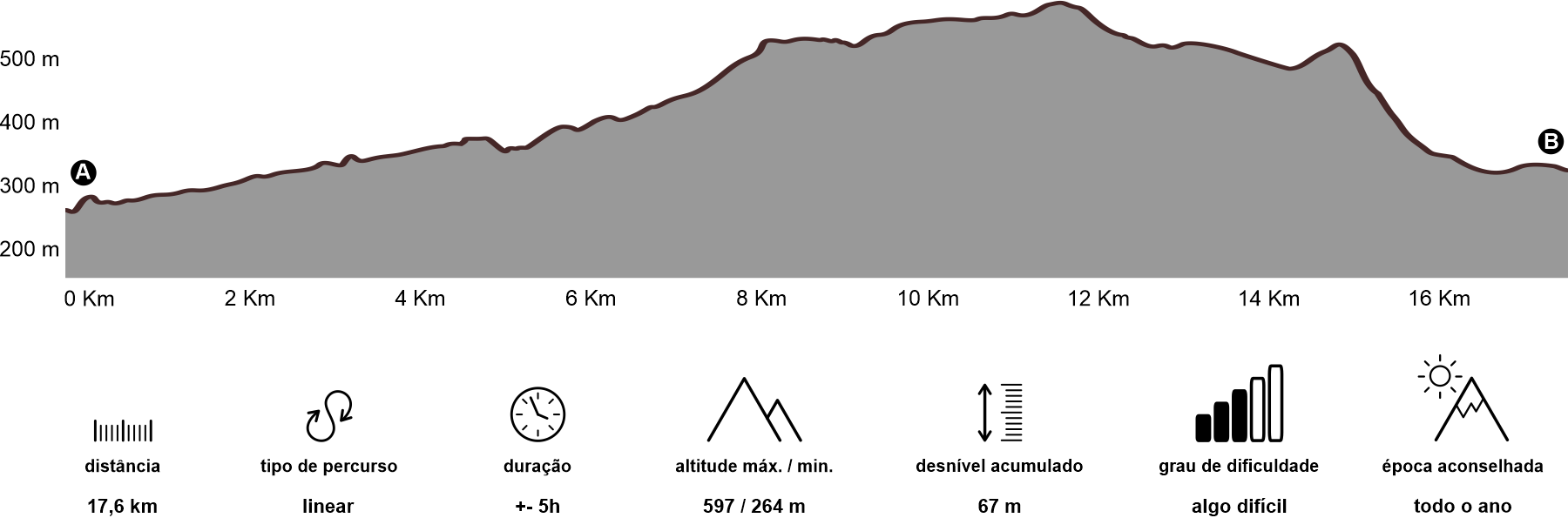
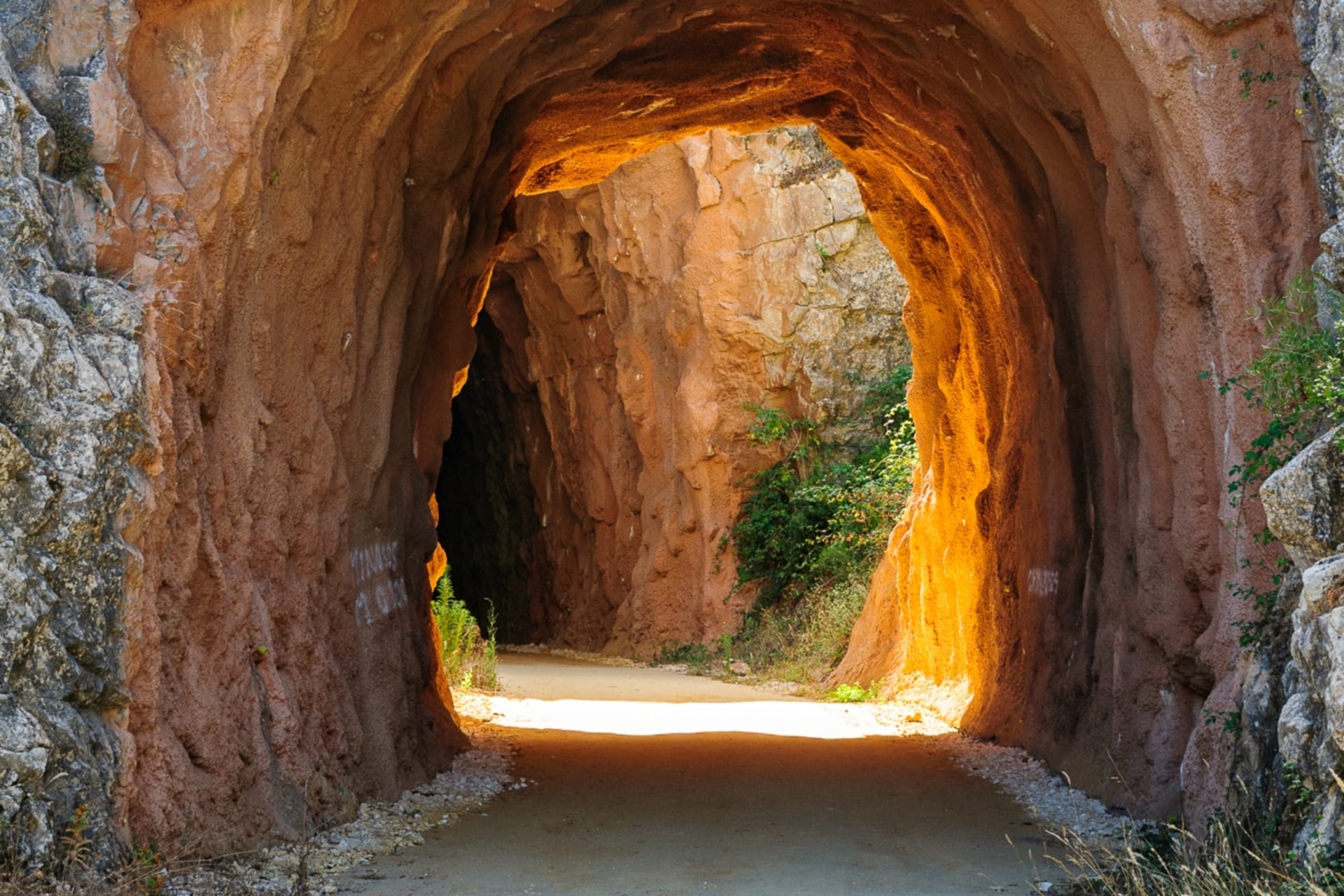
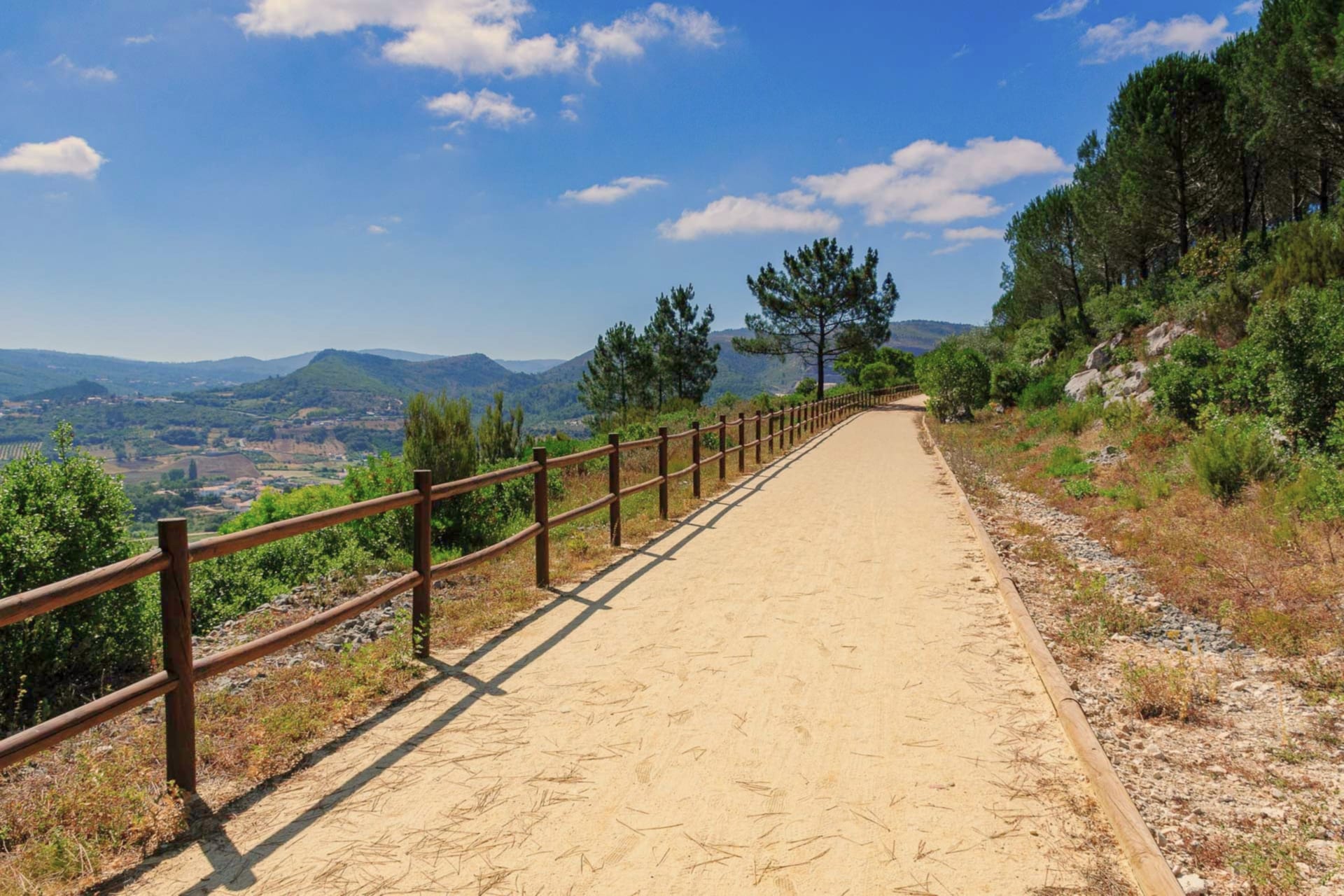
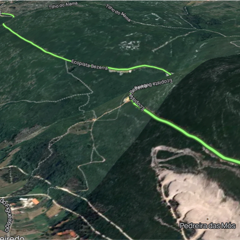
O segmento que une a zona da Ecopista ao Arrimal transporta-te para a memória industrial da montanha. Grande parte deste trajeto segue o leito da antiga linha férrea mineira, a Ecopista da Bezerra. Por aqui passavam os vagões carregados de carvão extraído das entranhas da serra, hoje, é uma varanda panorâmica espetacular, suspensa a meia encosta, que te oferece vistas desafogadas sobre os vales e permite-te observar a entrada das antigas minas, testemunhos de uma vida dura de trabalho.
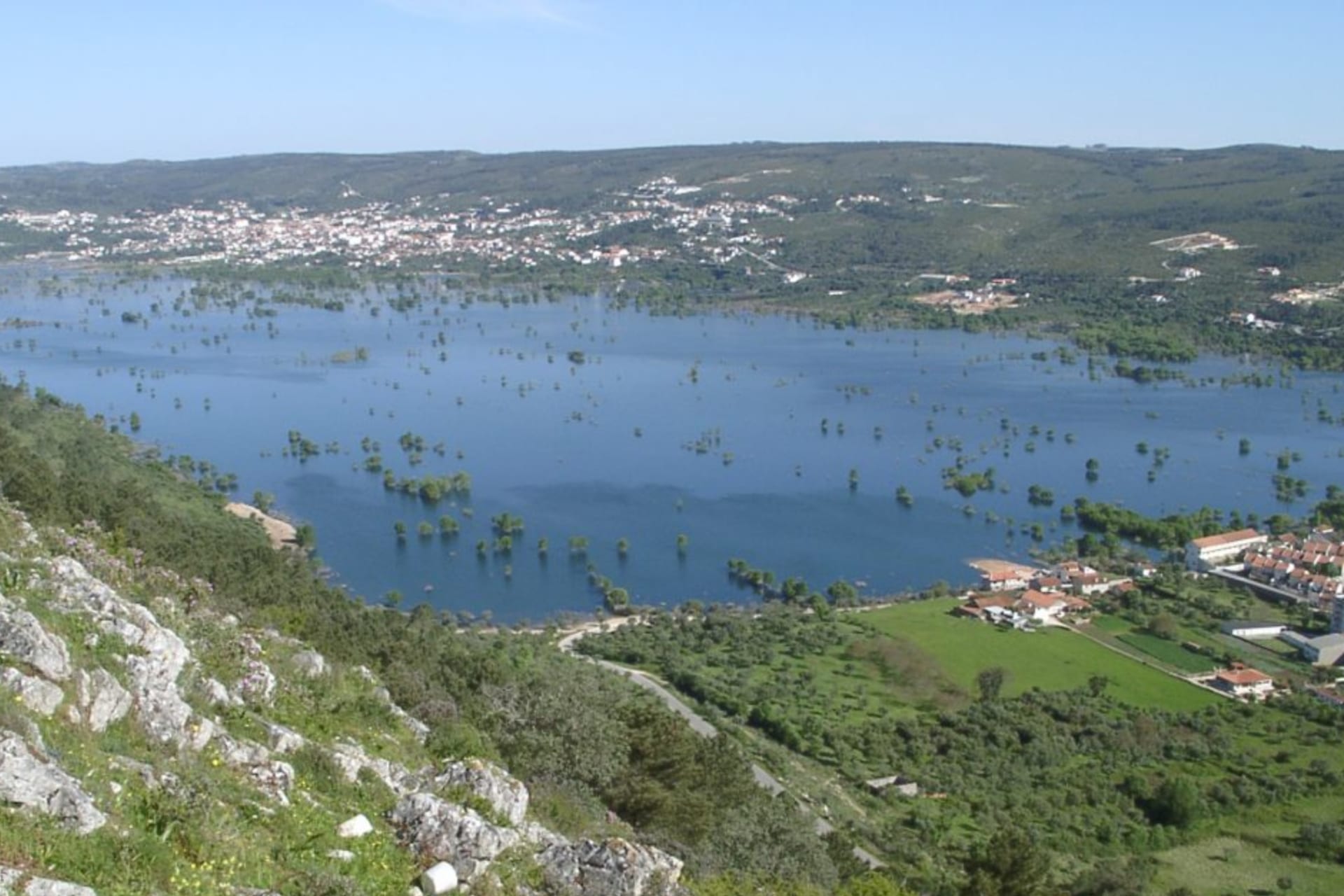
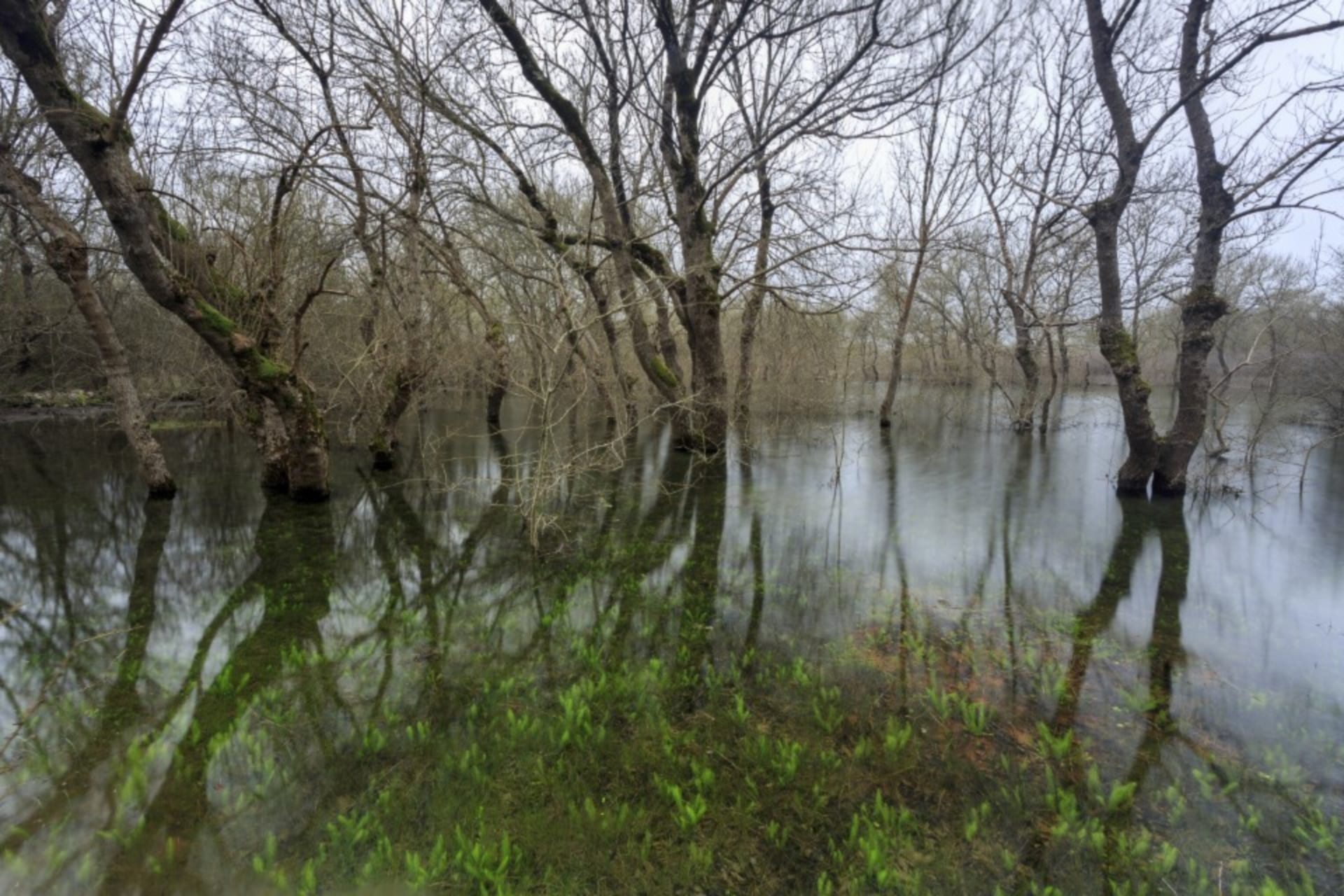
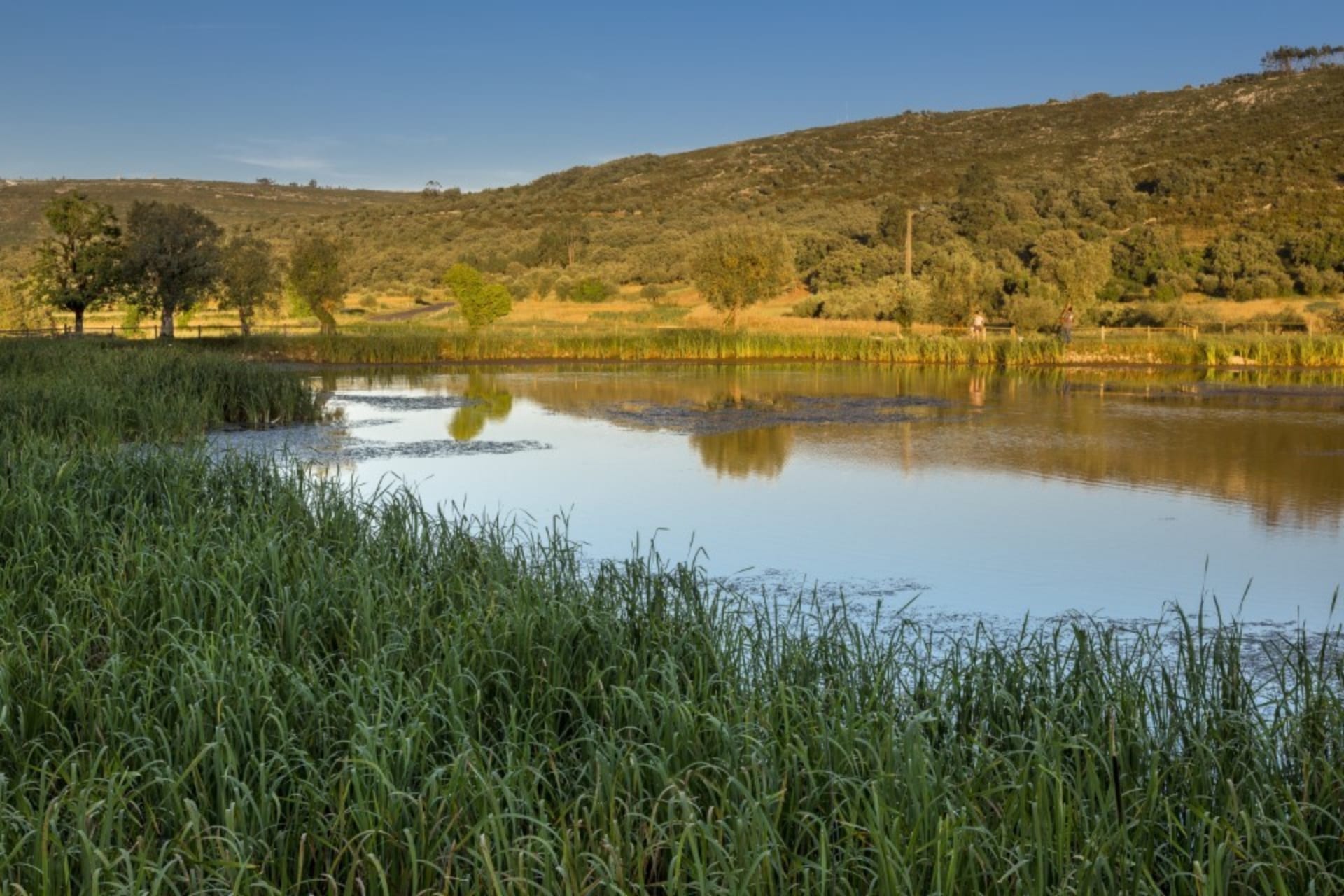
Estás em pleno coração da Serra dos Candeeiros, terra de pastores. Não é raro o encontro com rebanhos que pastam livremente, mantendo a paisagem aberta e a tradição do queijo viva. À medida que te aproximas do Arrimal, a dureza da pedra dá lugar à serenidade da água. As lagoas do Arrimal surgem como um oásis, um espelho de água rodeado de verde, locais de encontro da comunidade e ponto de descanso ideal.


Como Chegar
GPS (A)
GPS (B)
Sinalética





Normas de Conduta
- - Evitar fazer ruídos desnecessários;
- - Observar a fauna sem perturbar;
- - Não danificar a flora;
- - Não deixar lixo ou outros vestígios de passagem;
- - Não fazer lume;
- - Não colher amostras de plantas ou rochas;
- - Ser afável com as pessoas que encontre no local.