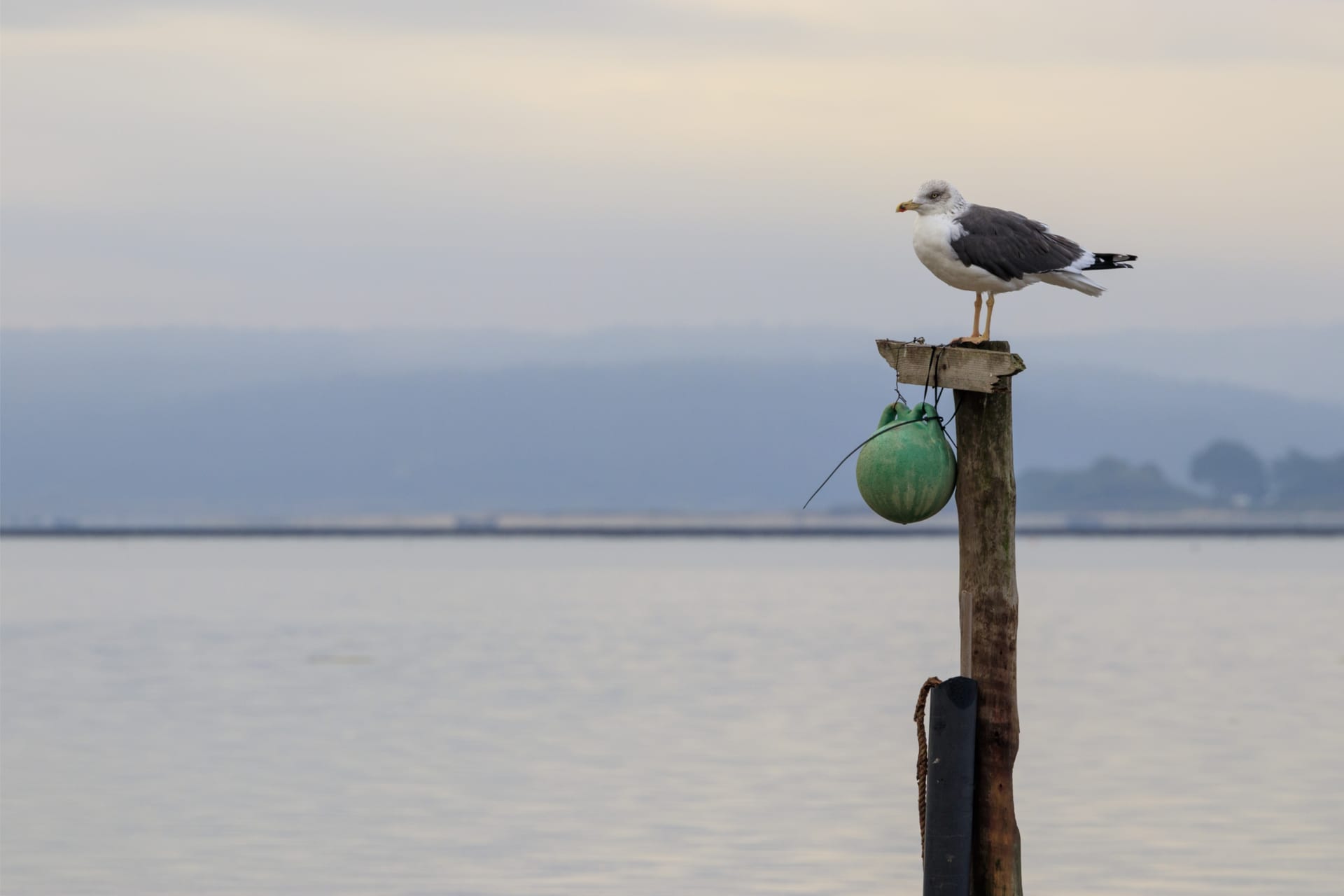
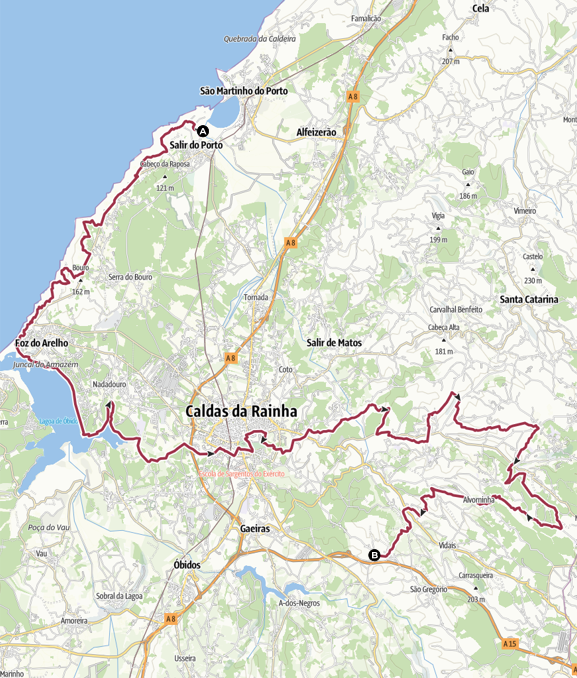
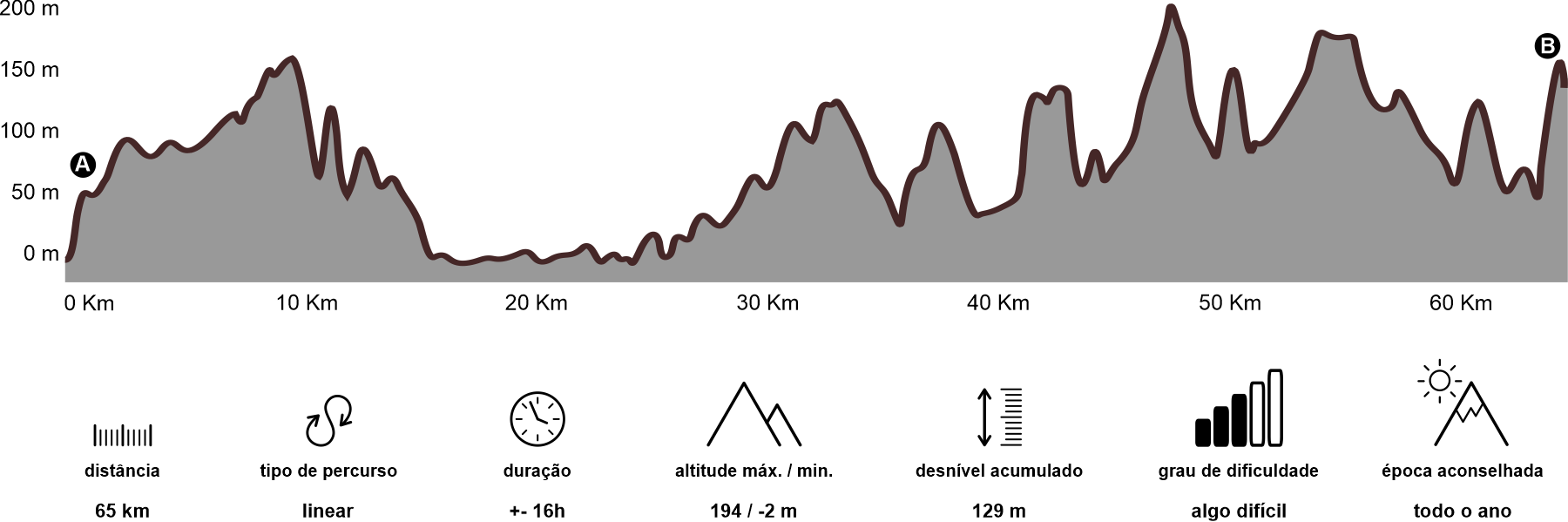
Este troço de 65 km é uma viagem pela alma completa de um território. É uma linha que liga dois mundos, o azul imenso do Atlântico e o verde profundo dos vales do interior. Aqui, a caminhada transcende o teu esforço físico para se tornar uma narrativa visual e sensorial.
Do dramatismo geológico das falésias costeiras à serenidade bucólica das aldeias do interior, atravessas um território vivo. A rota funde a imponência do oceano e a tranquilidade da Lagoa de Óbidos com a efervescência cultural da cidade termal, onde a história se conta através da cerâmica e a Praça da Fruta perfuma o ar todos os dias. Mas o caminho não se detém na cidade, ele serpenteia por pomares, sobe a miradouros naturais e mergulha em vales antigos, onde o tempo tem outro ritmo.
A biodiversidade é companheira constante, das aves marinhas e plantas das dunas à vegetação ribeirinha e às culturas agrícolas que pintam a paisagem. Produtos locais, saberes ancestrais e a hospitalidade das gentes do Oeste são o fio condutor do teu percurso. Seja qual for o teu ponto de partida, o destino é sempre a descoberta de uma identidade autêntica, esculpida pelas mãos de quem aqui vive.
Pontos de Interesse
-
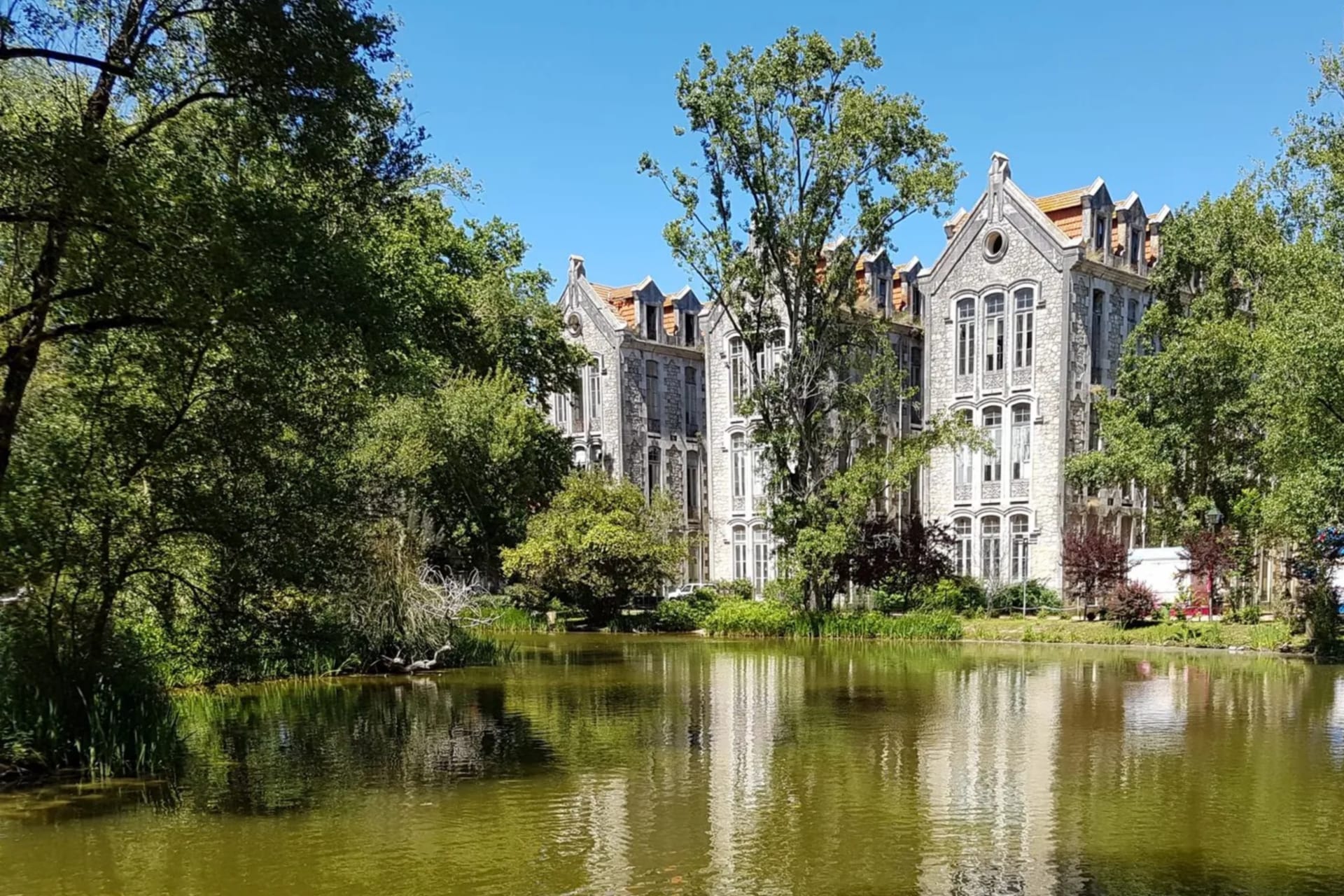
 Parque D. Carlos I
-
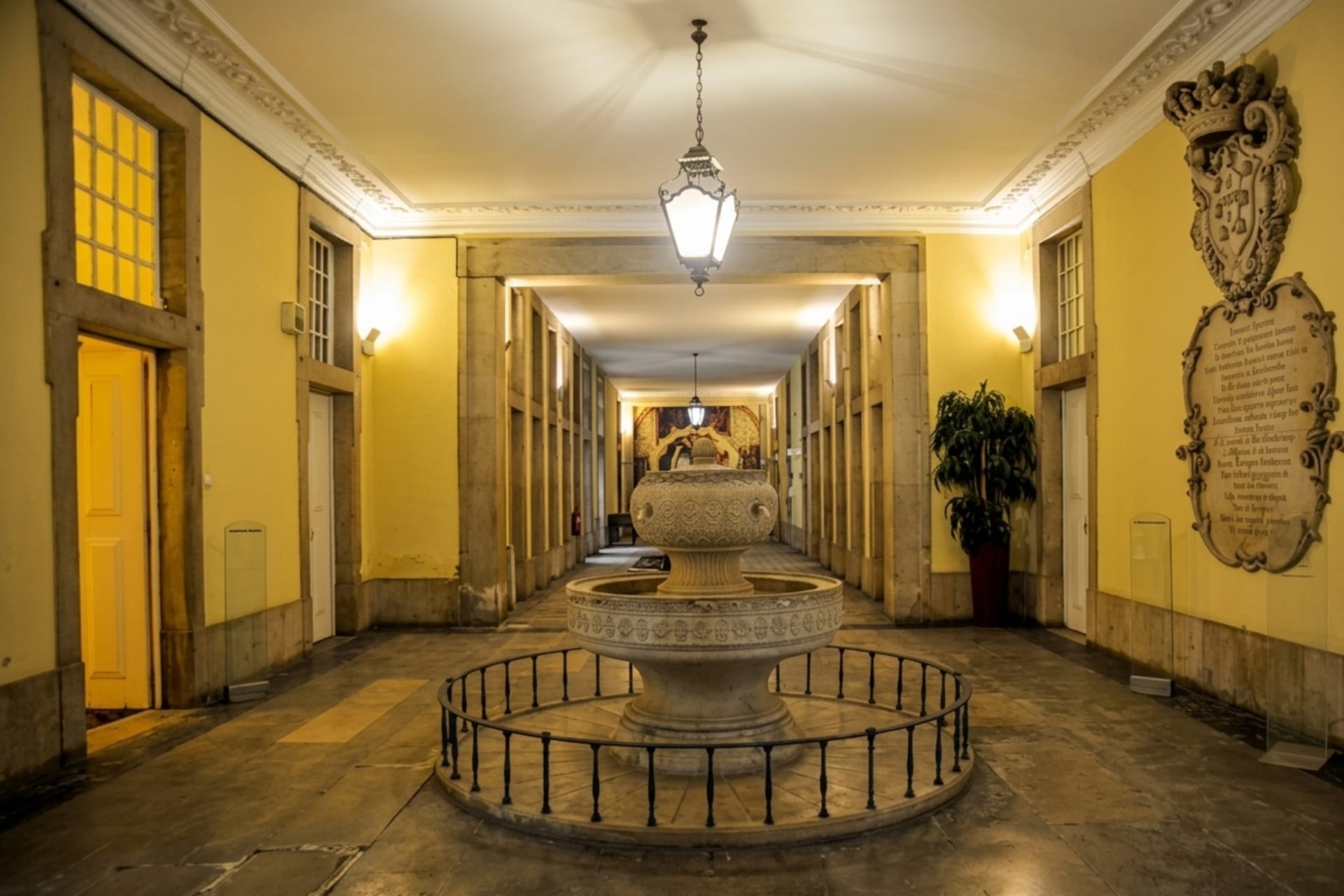
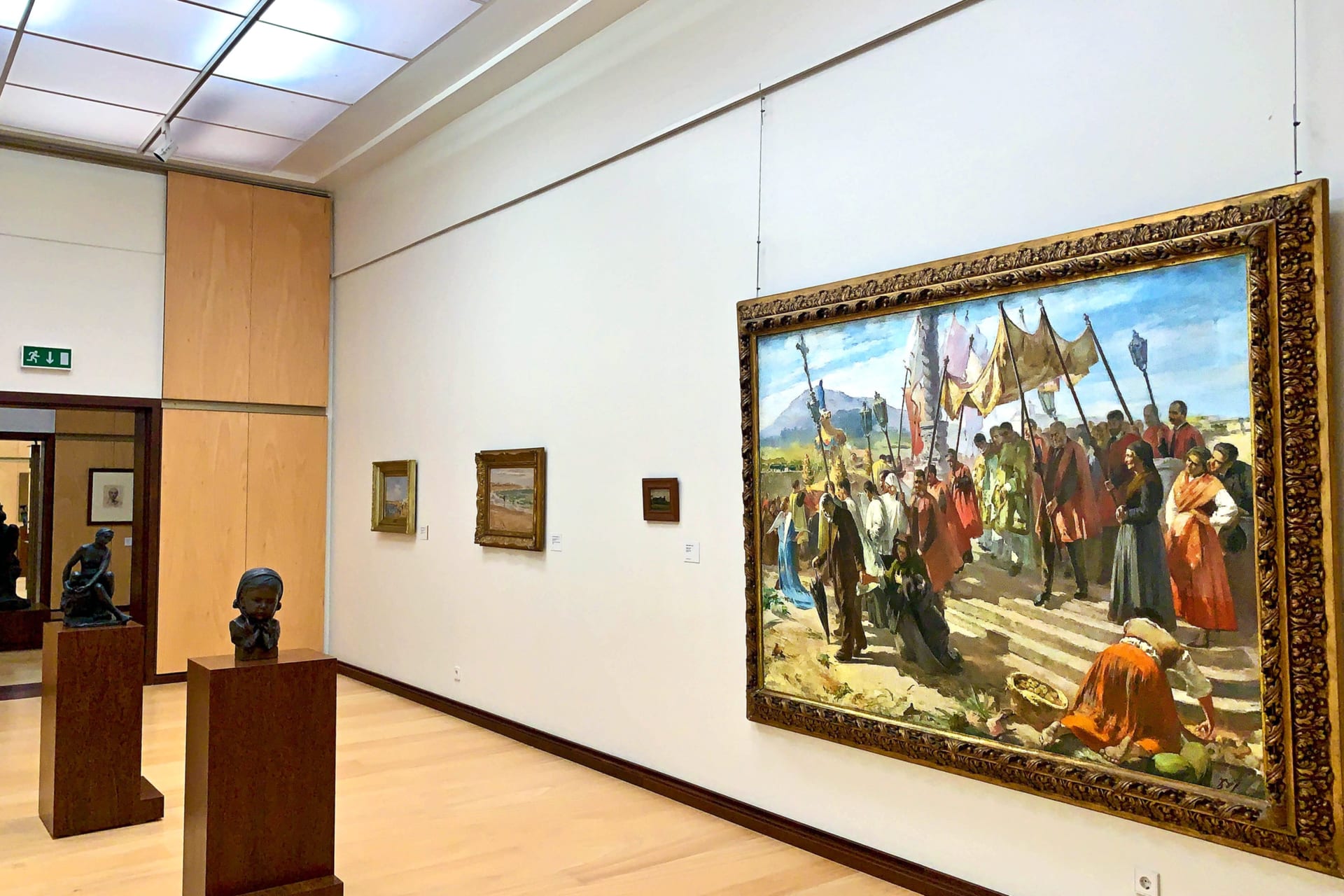
Museu José Malhoa
-
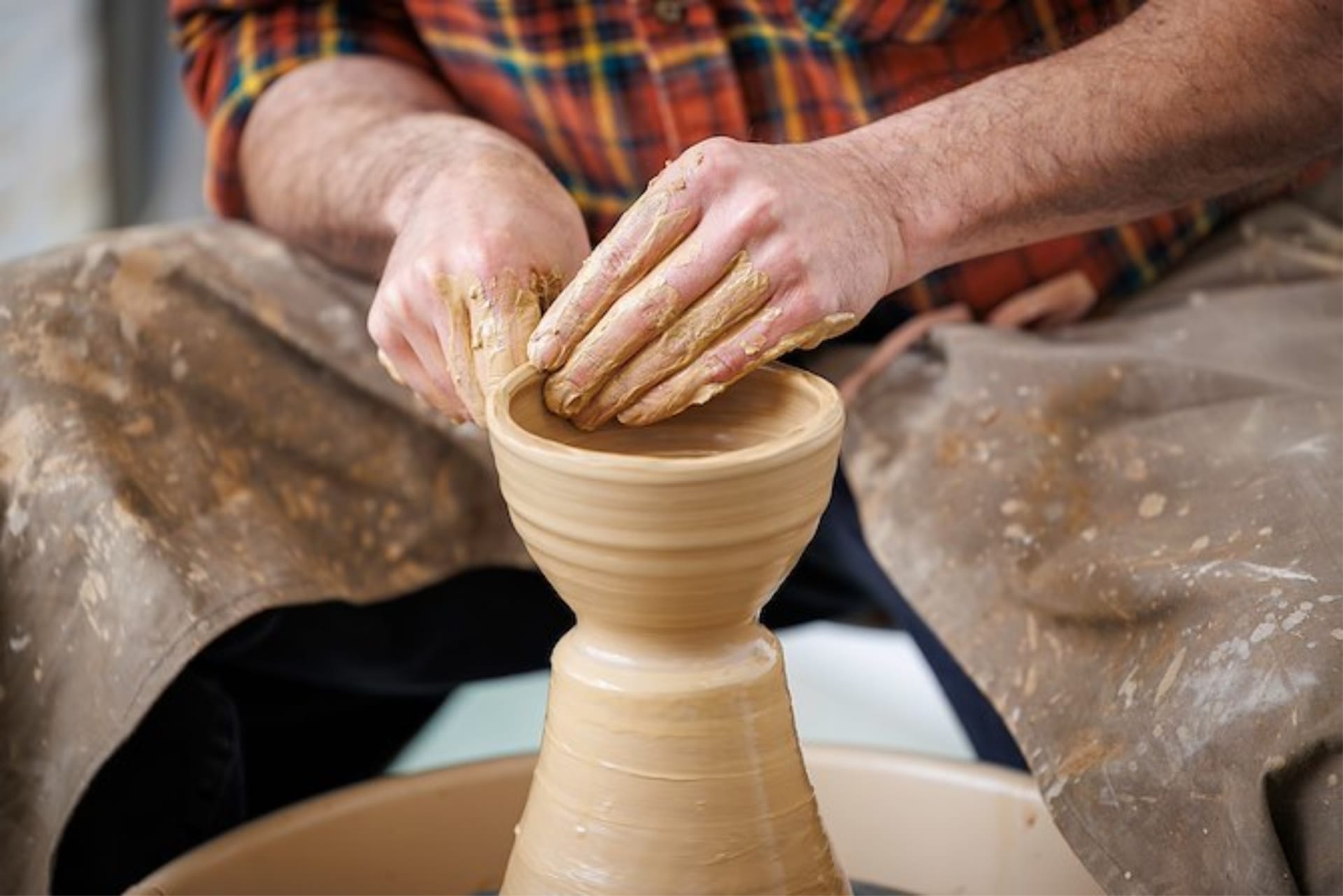
Museu da Cerâmica
-
Praia da Foz do Arelho
-
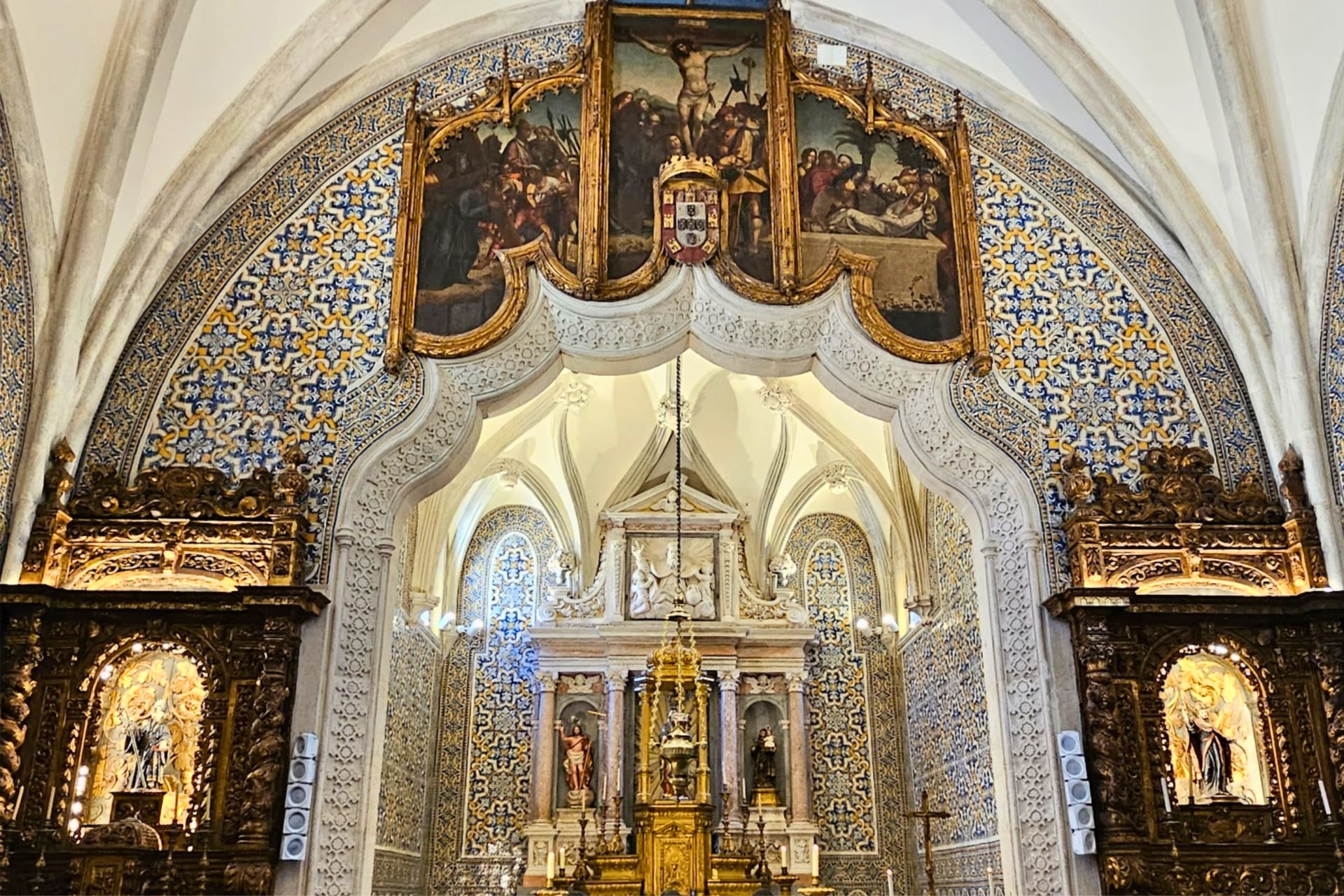
Igreja de Nossa Senhora do Pópulo
-
Capela de Santa Ana
-
Praia de Salir do Porto
-
Lagoa de Óbidos
-
Paul da Tornada
-
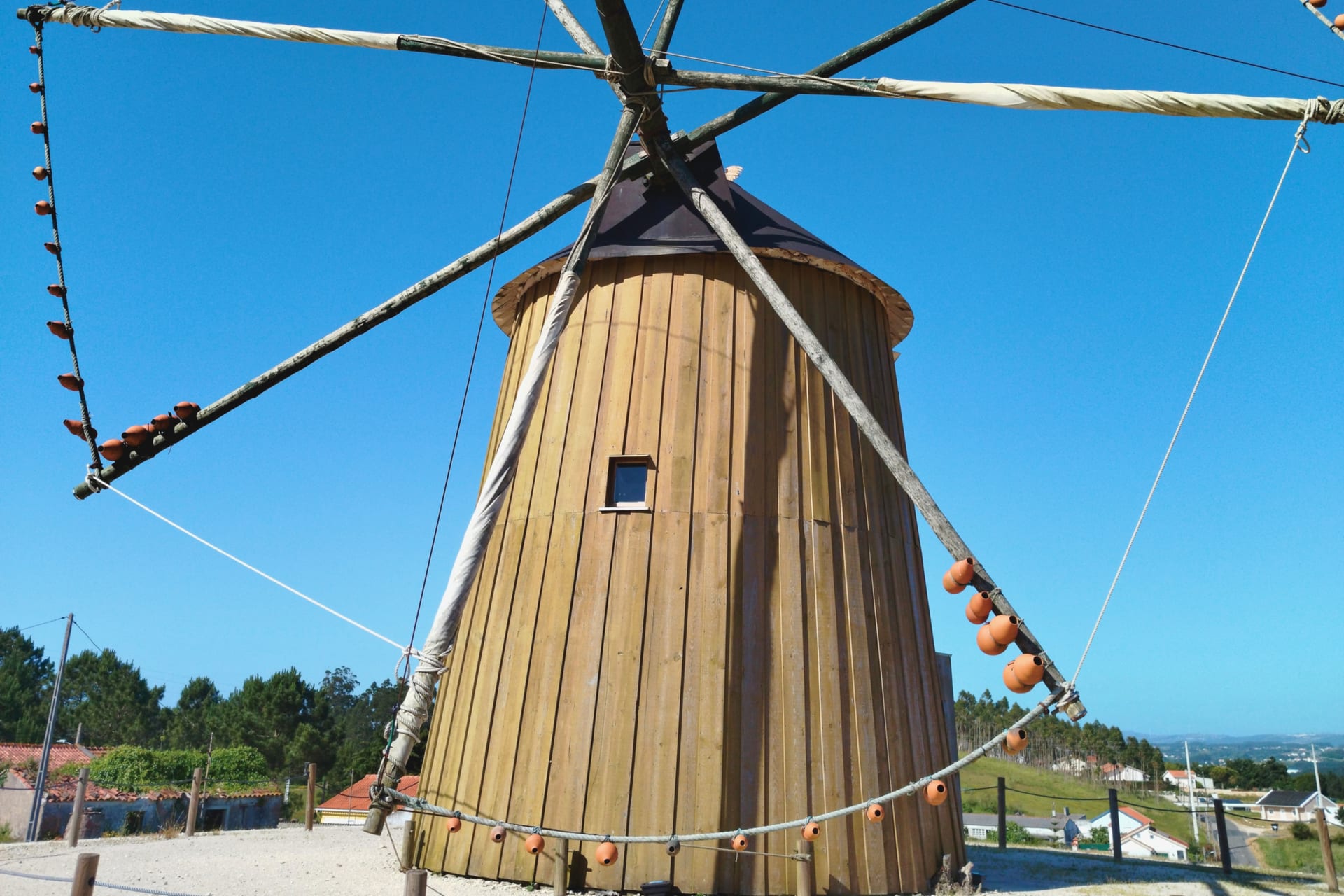
Moinho de Madeira das Boisias
Como Chegar
 GPS (A)
GPS (B)
GPS (A)
GPS (B)

.png)
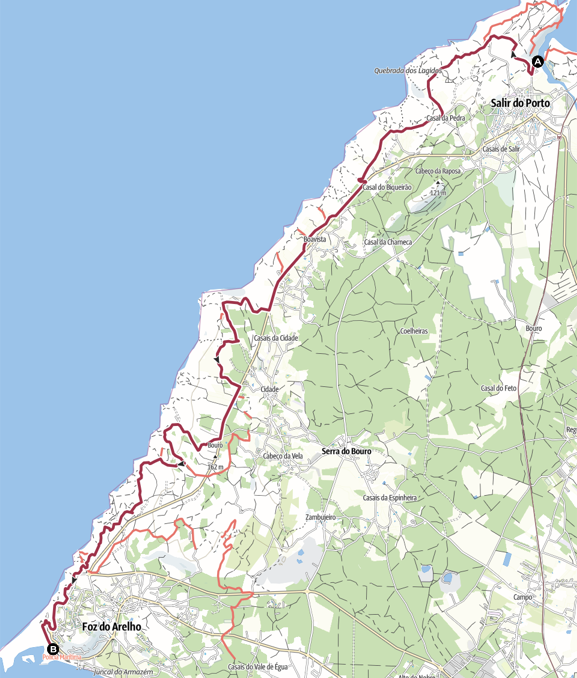
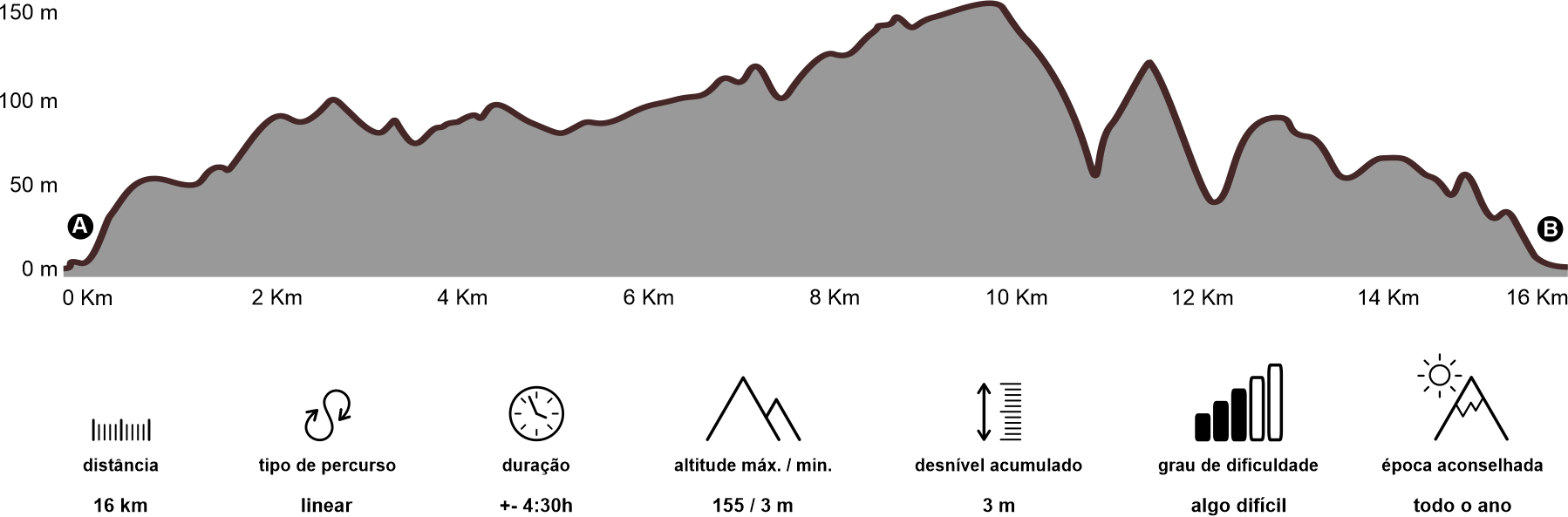
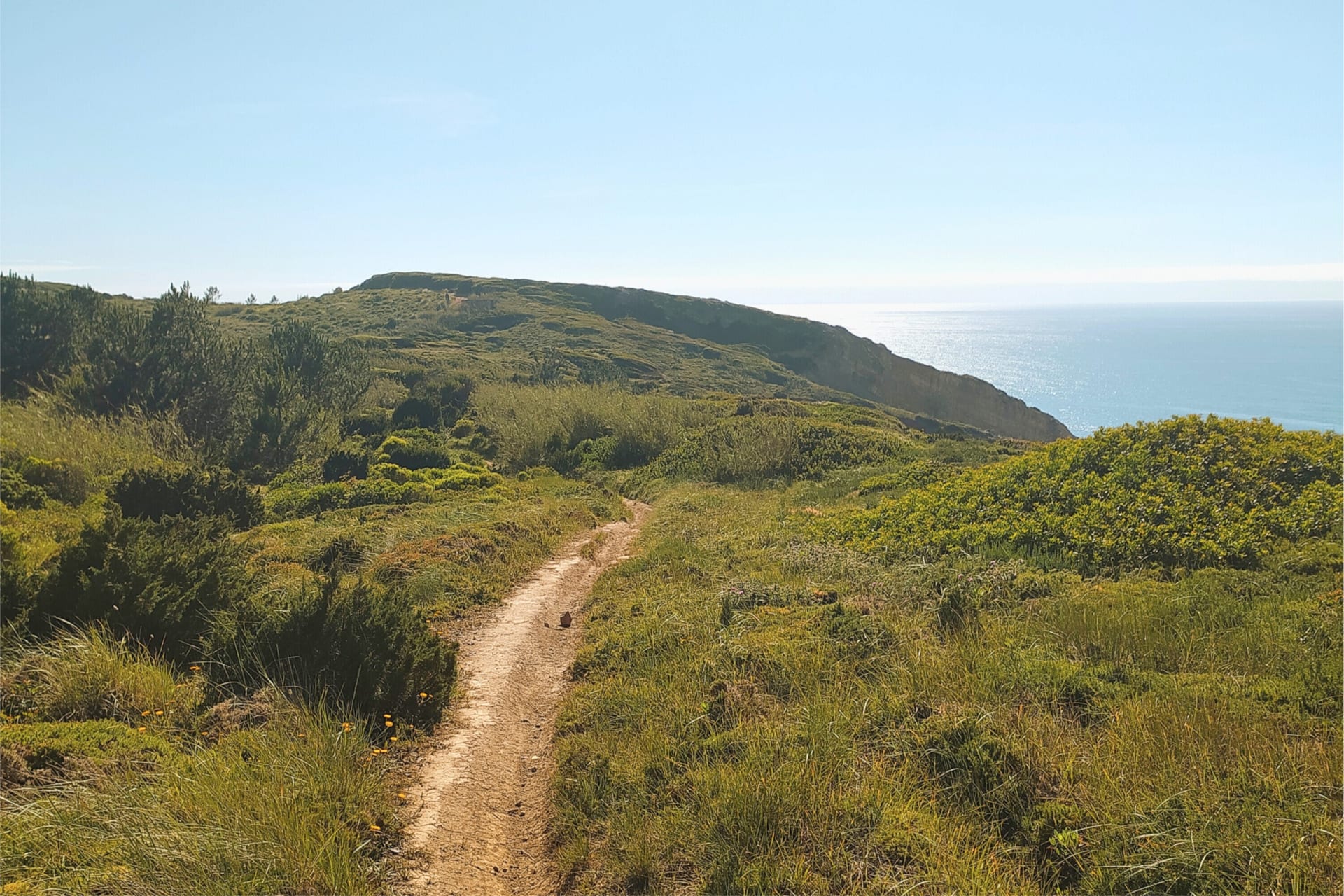
Nesta etapa costeira, a natureza impõe-se com magnitude. O percurso desenrola-se sobre encostas que são miradouros privilegiados para o Atlântico, onde o som das ondas dita o ritmo da tua passada. Entre a enseada de Salir do Porto e a beleza aberta da Foz do Arelho, caminhas sobre a própria história da Terra.
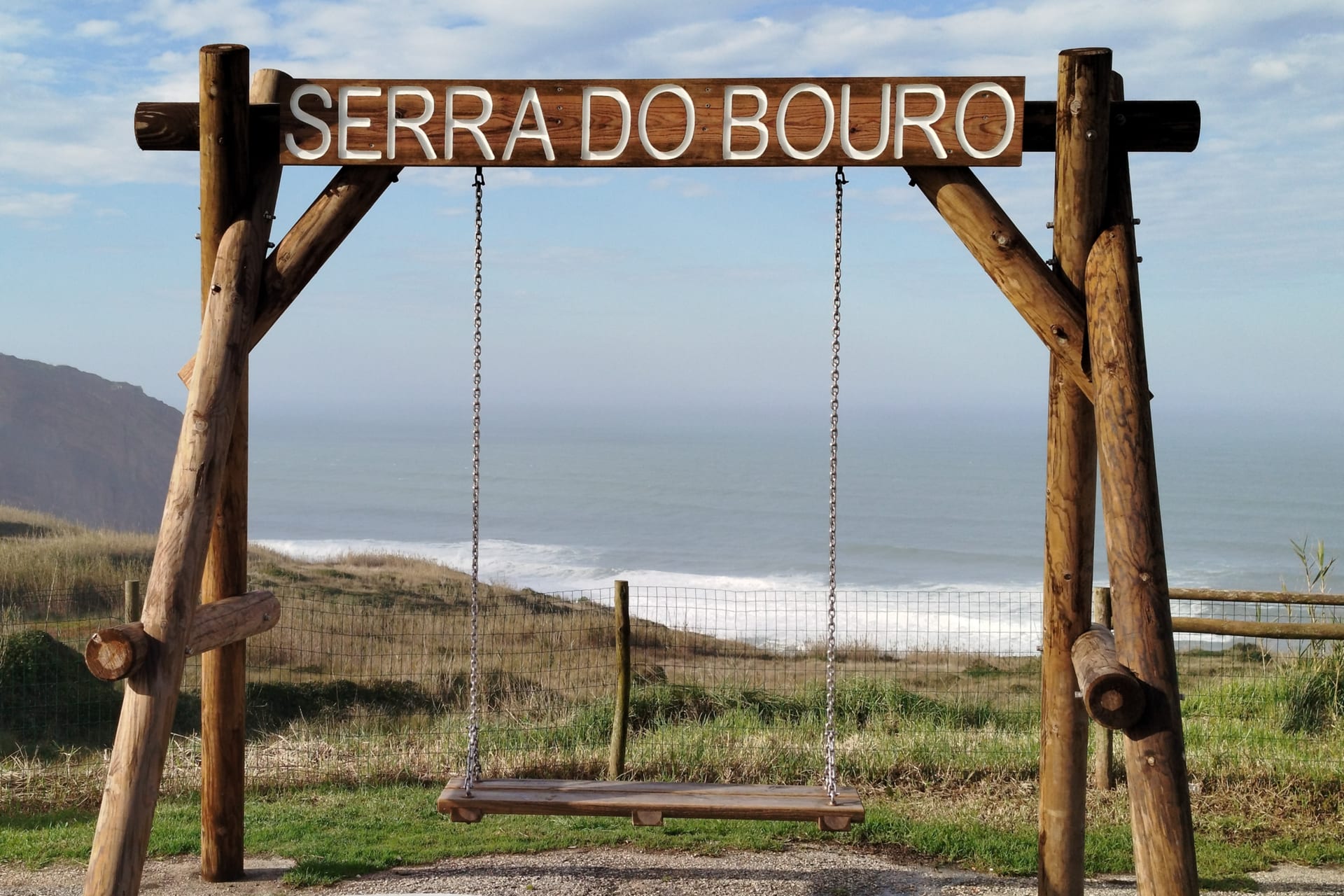
A Serra do Bouro não é apenas uma elevação, é um livro geológico aberto, aqui, na Jazida de Icnofósseis, pisas o mesmo chão que dinossauros pisaram há milhões de anos, uma ligação vertiginosa ao passado remoto. A vegetação, resiliente ao vento e ao sal, adorna um cenário de falésias dramáticas que se precipitam sobre o mar.
Ao passares pela Boavista, o horizonte é infinito, tingido pelo azul do céu e do mar. É uma etapa de ar puro e salgado, onde a força dos elementos te revigora o espírito e a paisagem oferece, a cada curva, um quadro digno de contemplação.
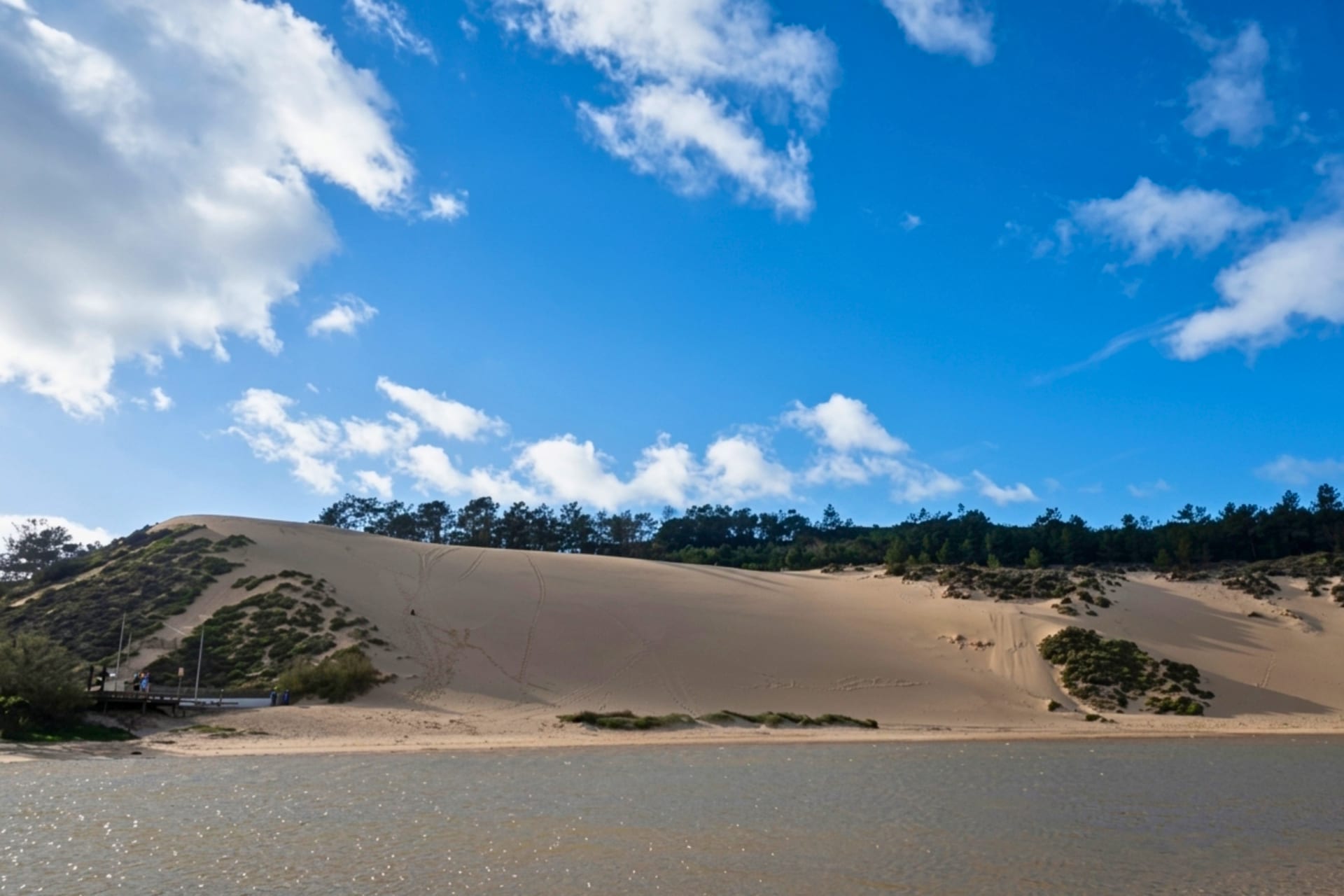
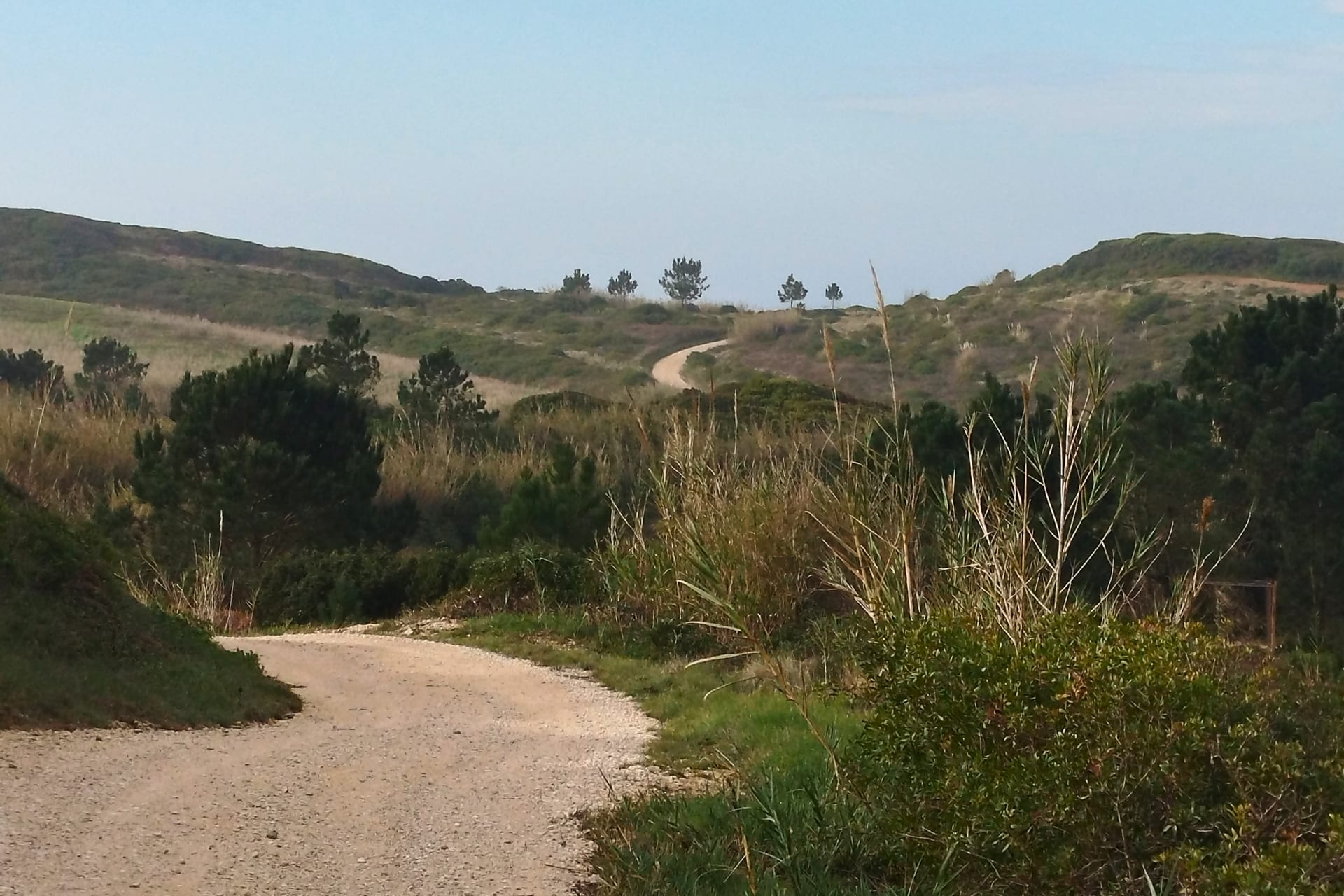
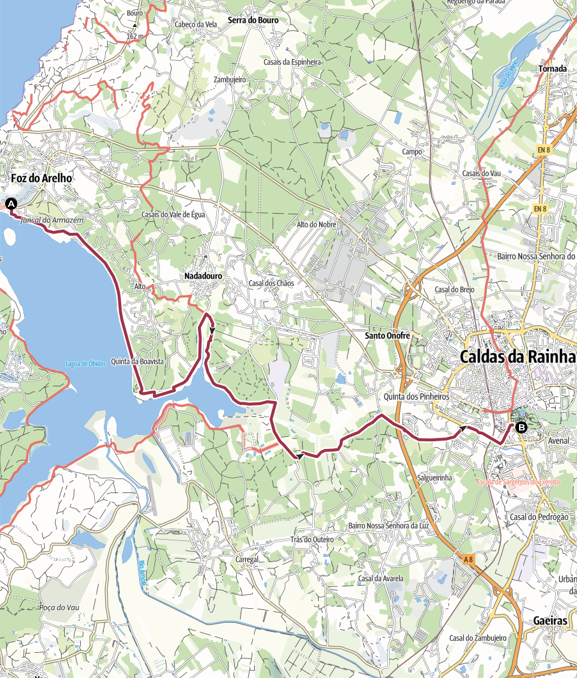
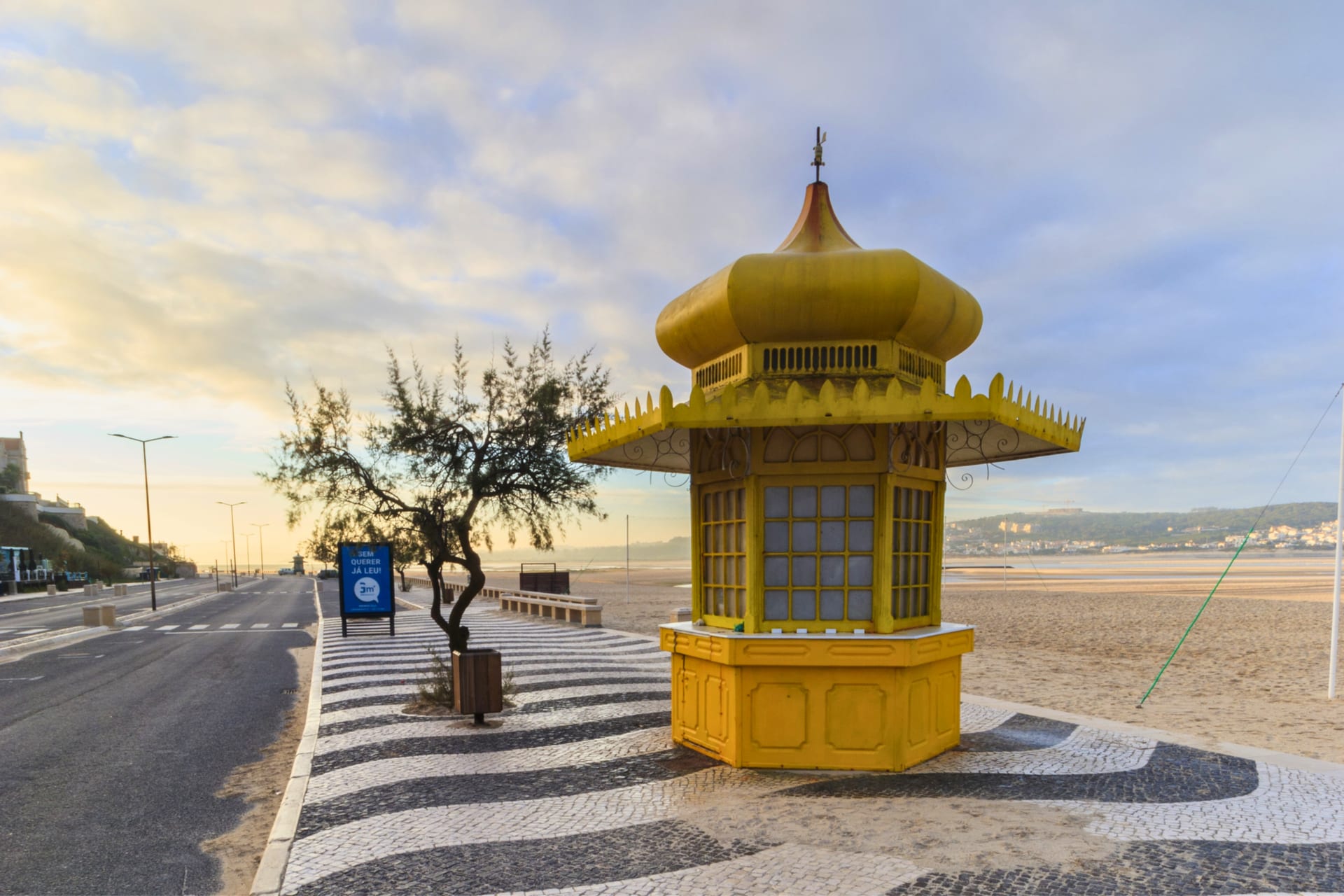
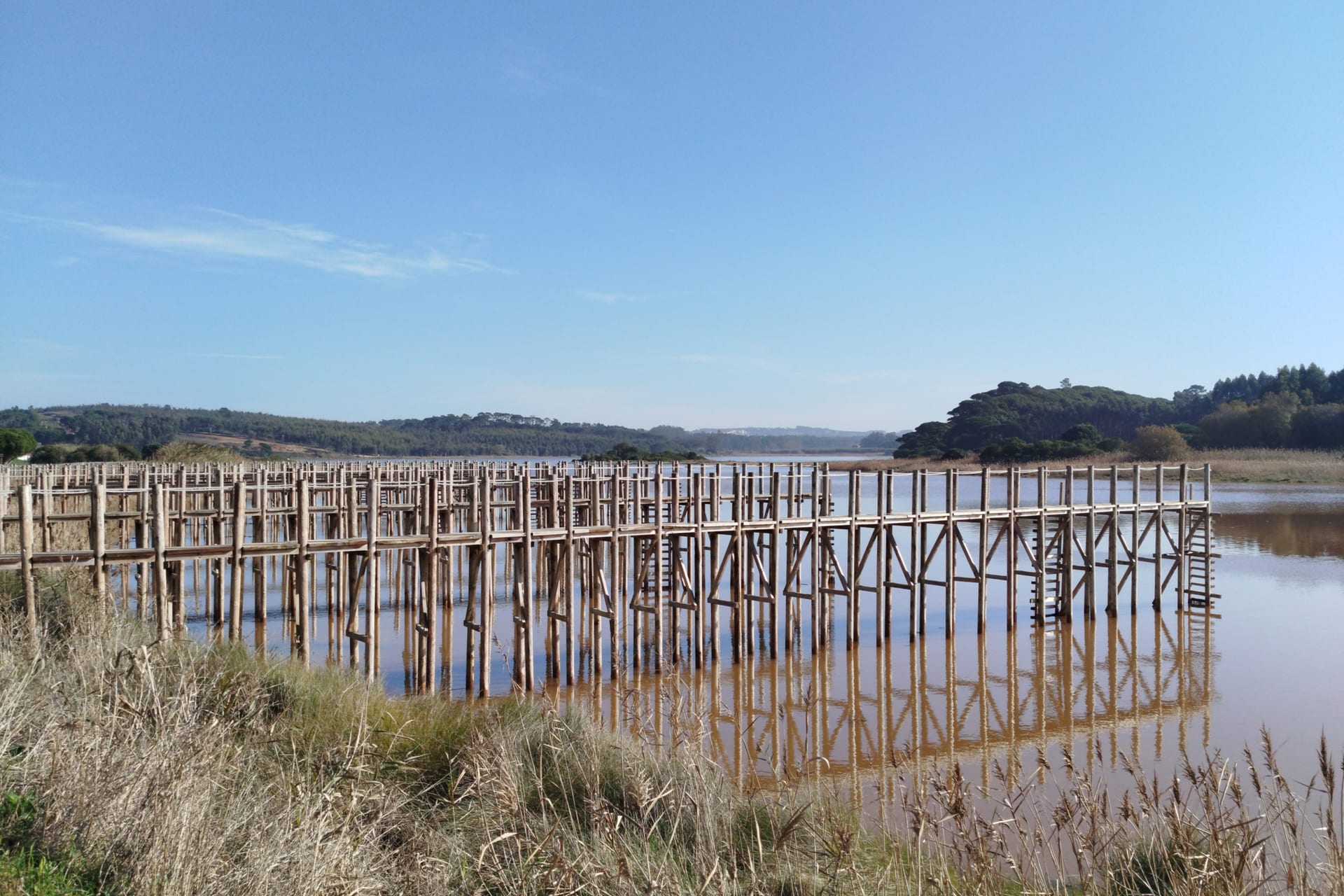
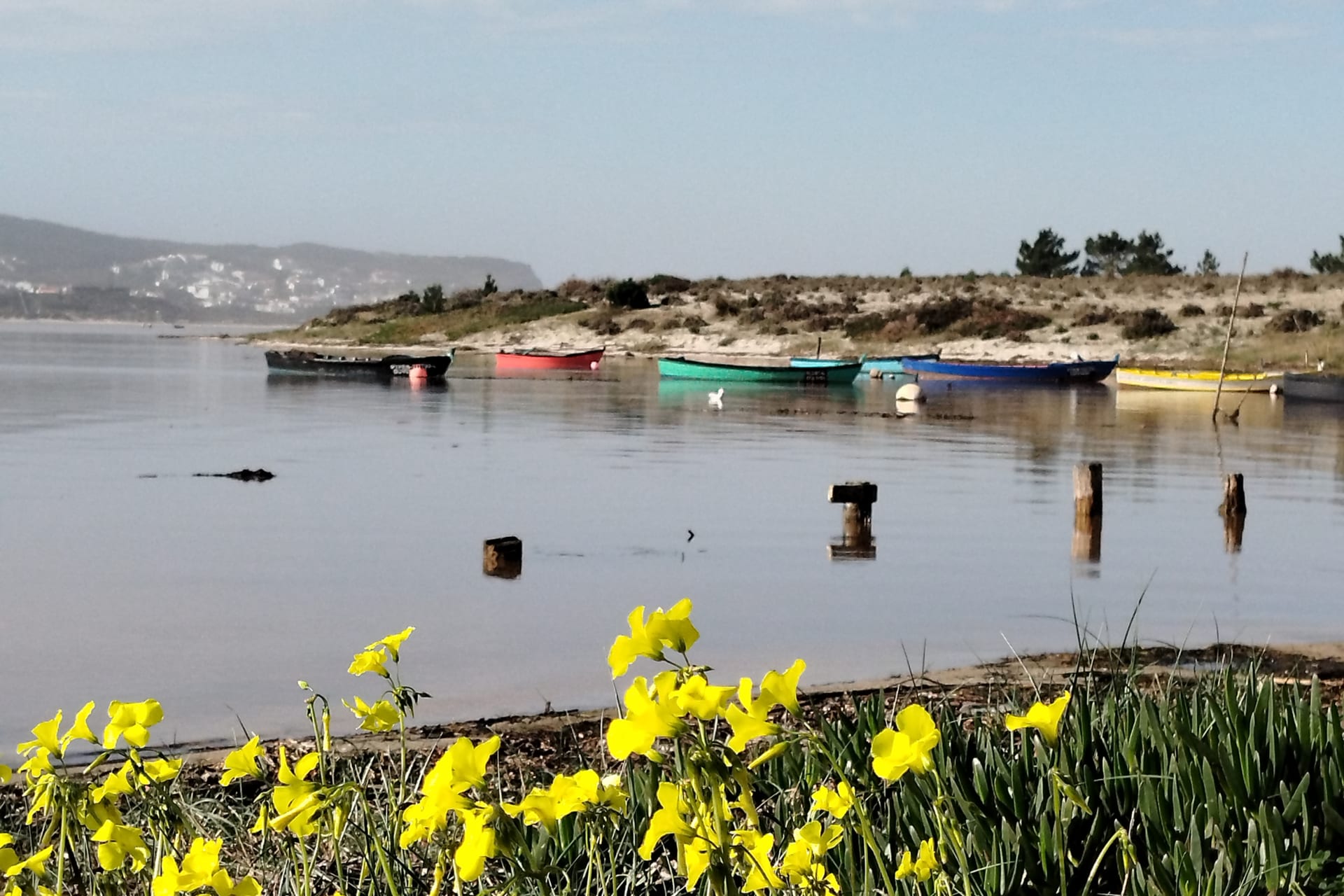
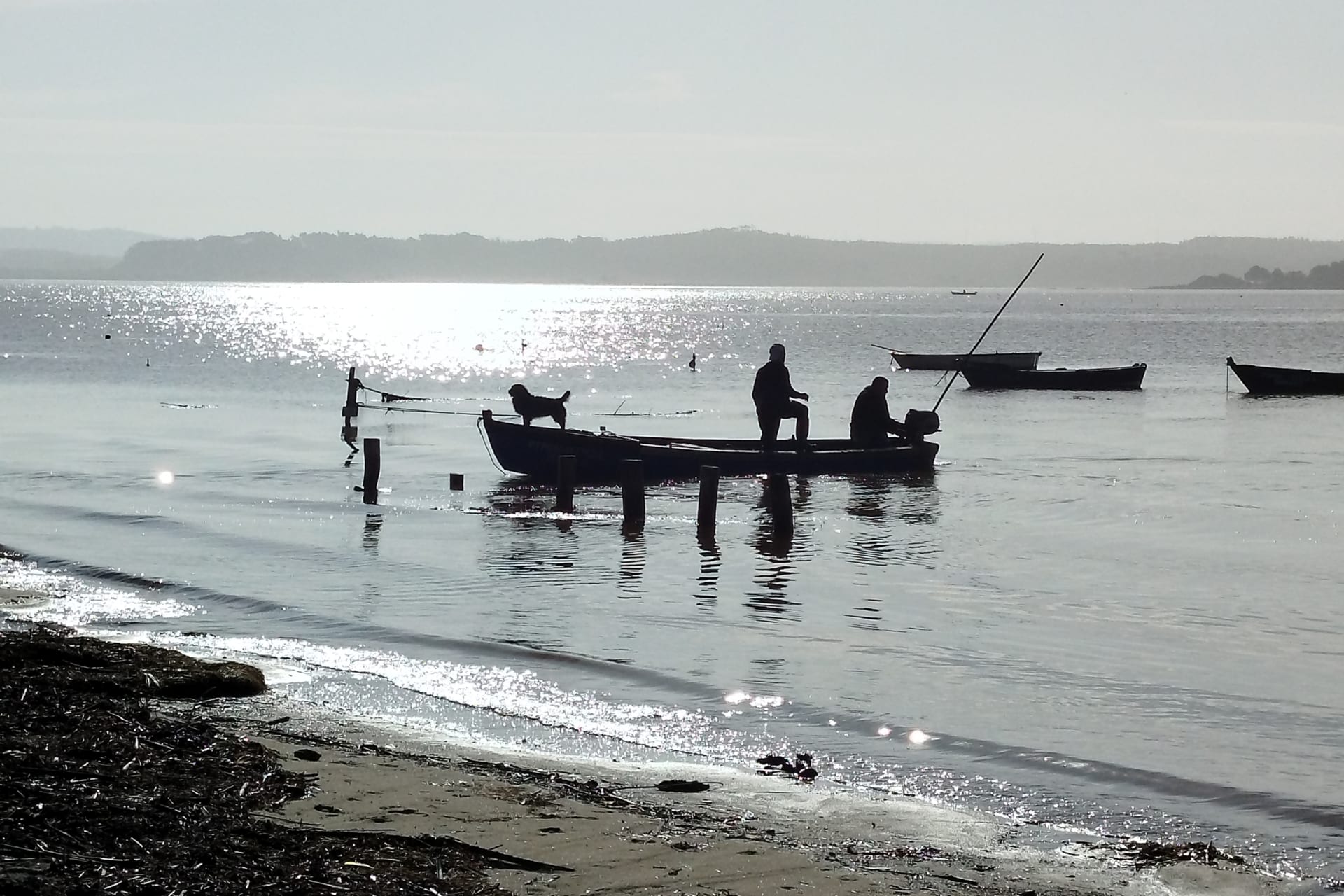
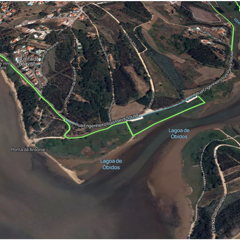
Esta etapa do percurso convida-te a um diálogo entre a serenidade das águas e a vibração da cultura. A transição faz-se acompanhar pela Lagoa de Óbidos, um santuário de biodiversidade que te oferece momentos de paz absoluta, com as aves limícolas e os bivalves a marcarem o ritmo das marés e das tradições locais.
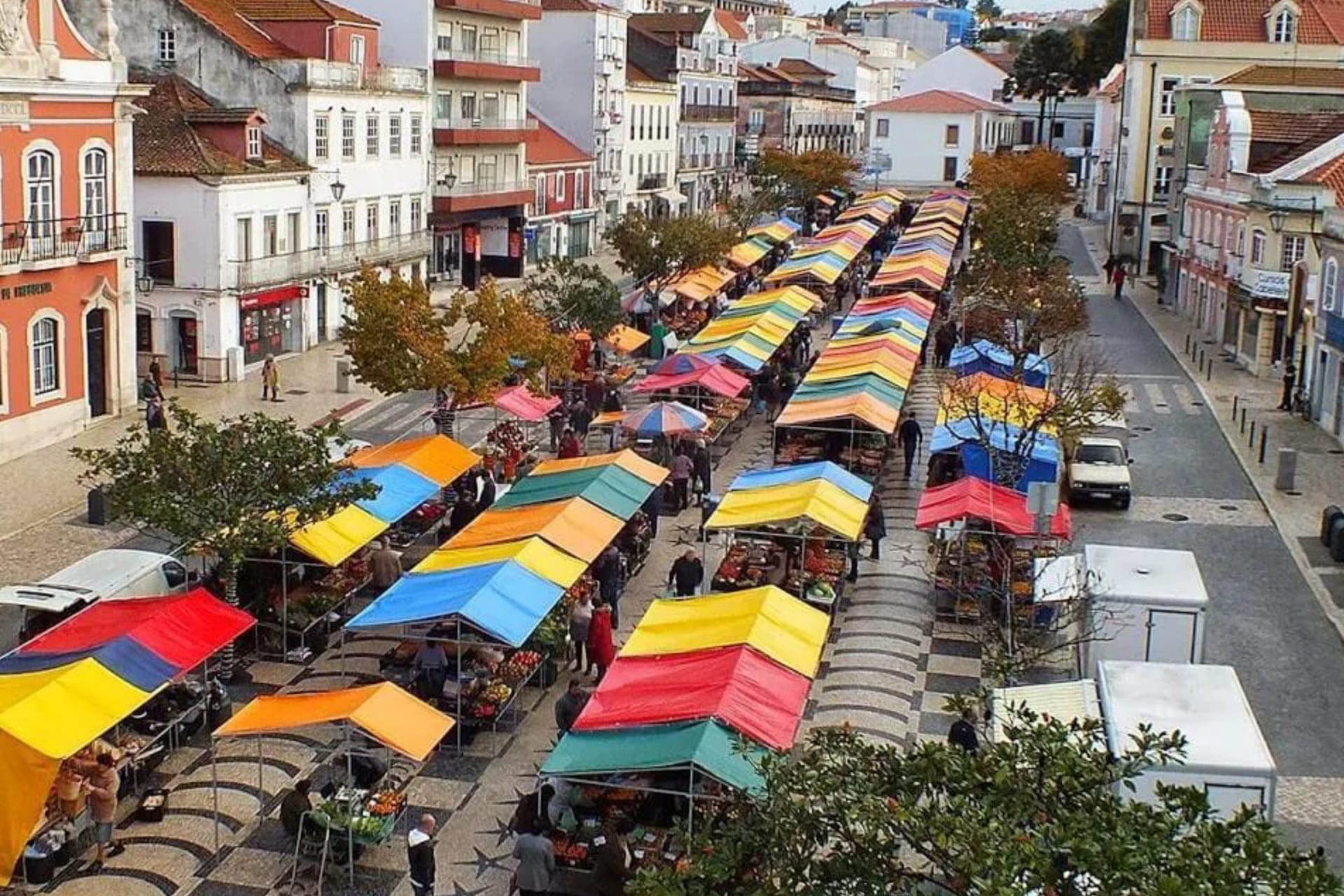
À medida que o traçado se aproxima das Caldas da Rainha, a atmosfera transforma-se. A cidade surge não como um obstáculo, mas como um oásis de património. O Parque D. Carlos I convida ao passeio romântico, os museus narram a genialidade de Bordallo Pinheiro e Malhoa, e a icónica Praça da Fruta, o único mercado diário ao ar livre do país, explode em cores, aromas e sabores que contam a história fértil desta terra.
É uma etapa de contrastes harmoniosos, onde o silêncio da lagoa dá a mão à vida pulsante da cidade criativa, oferecendo-te o melhor de dois mundos.
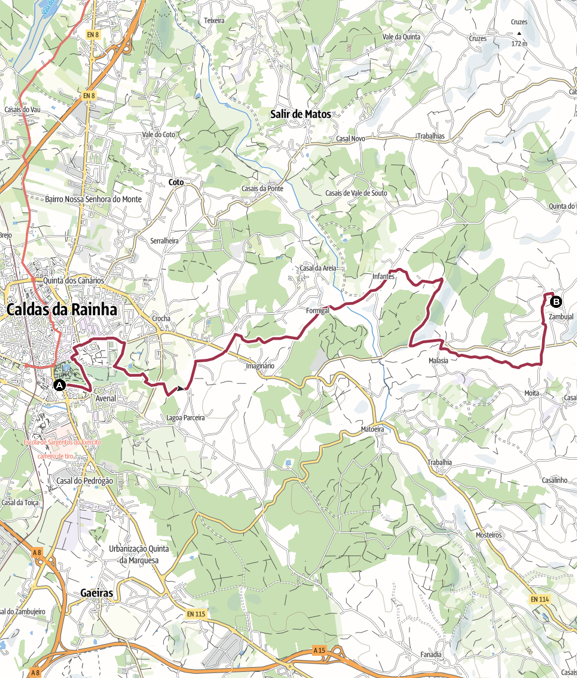
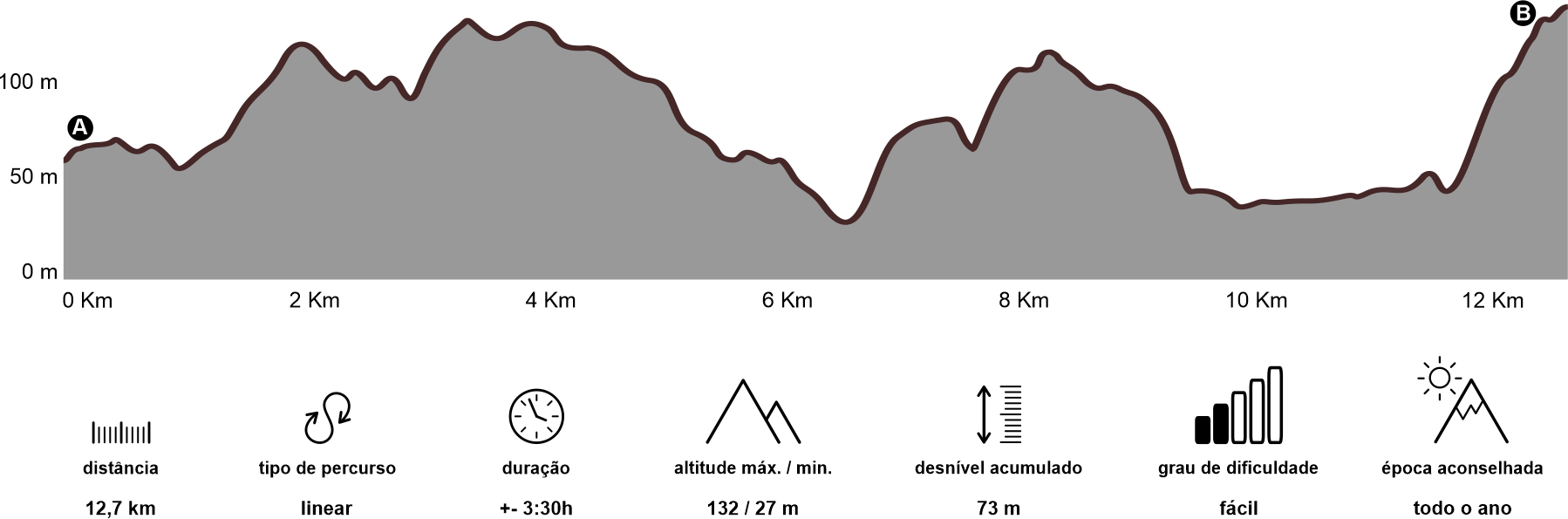
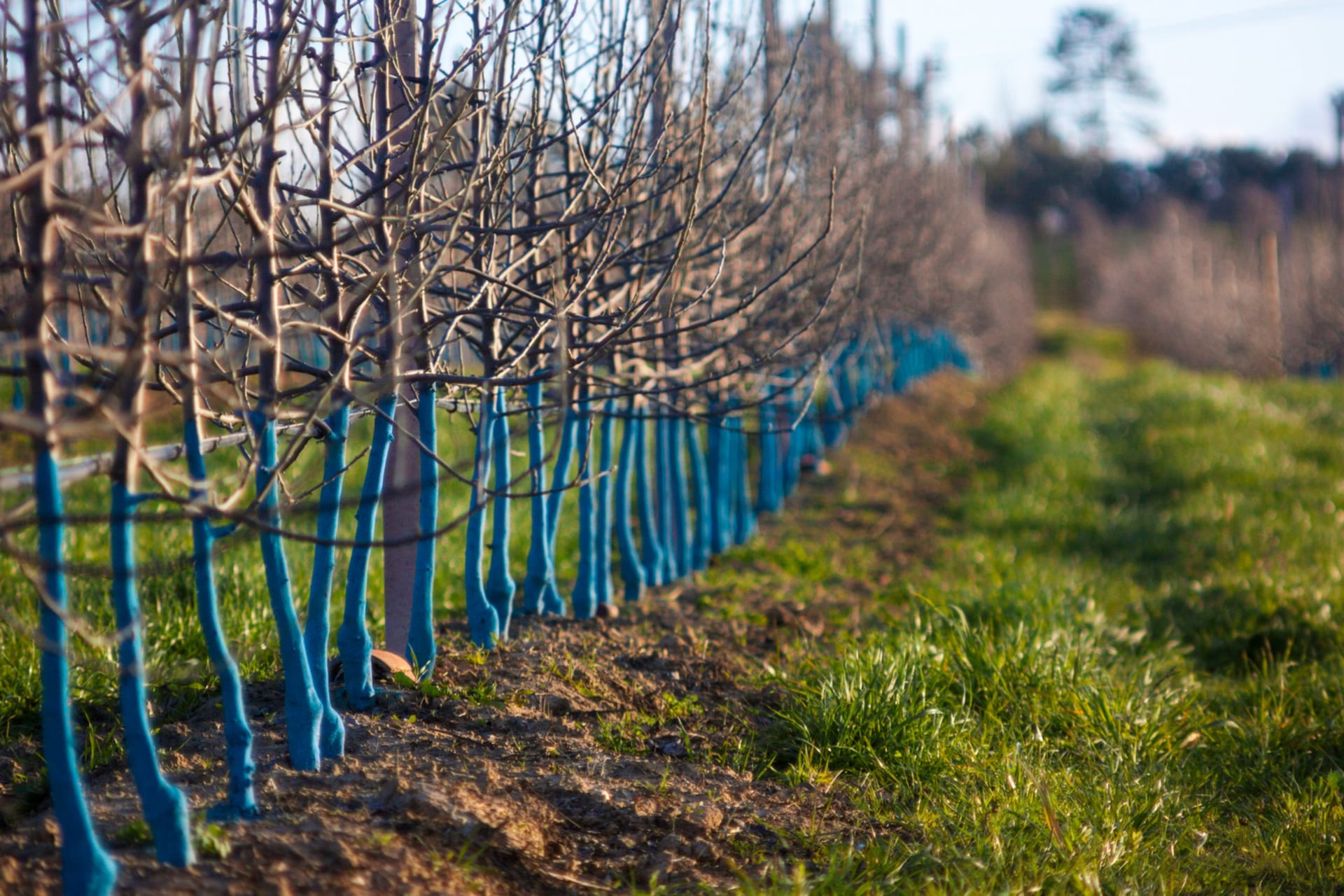
Deixando a malha urbana ou descendo das colinas, esta etapa é a tua porta de entrada para a ruralidade luxuriante do Oeste. O percurso serpenteia por localidades como Formigal, Infantes e Malásia, onde a paisagem se veste de pomares e hortas que alimentam a região.
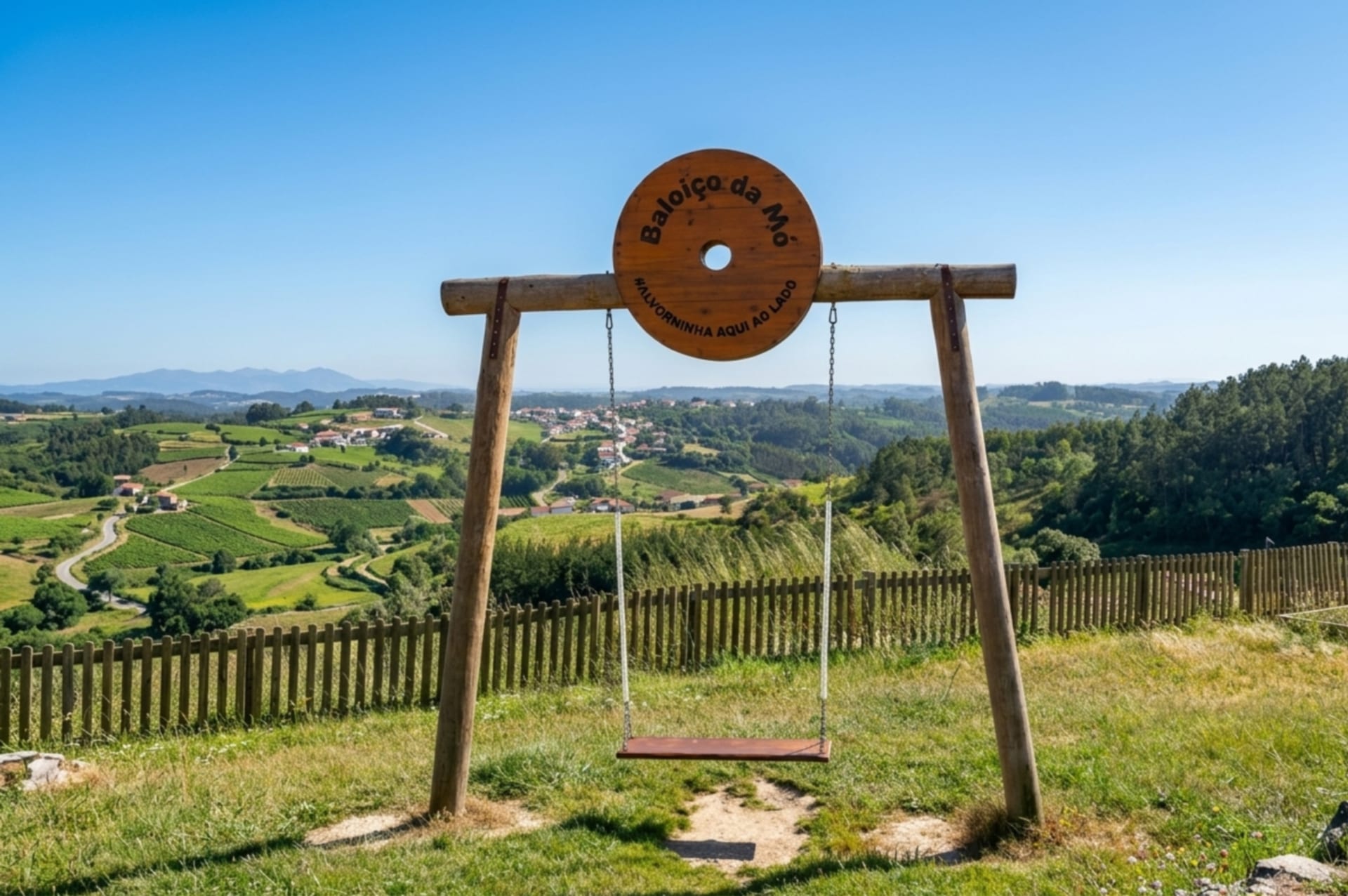
O relevo começa a desafiar-te, oferecendo em troca vistas soberbas. A aproximação às Boisias revela a essência agrícola do território, culminando no Baloiço da Mó. Este ponto alto funciona como um miradouro natural de excelência, daqui o teu olhar abarca a vastidão do território percorrido, permitindo-te compreender a geografia única que liga a serra ao mar.
É uma etapa de transição e de conquista, marcada pelo verde das encostas e pela sensação de liberdade que só os lugares altos conseguem proporcionar.
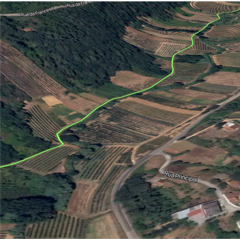
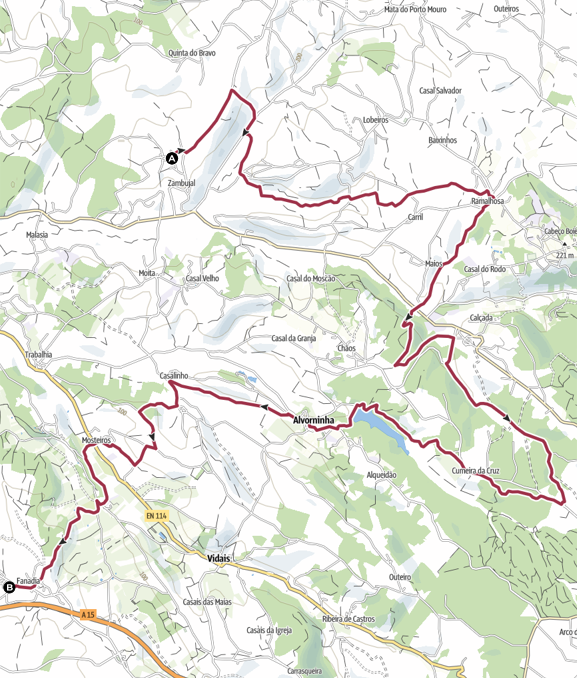
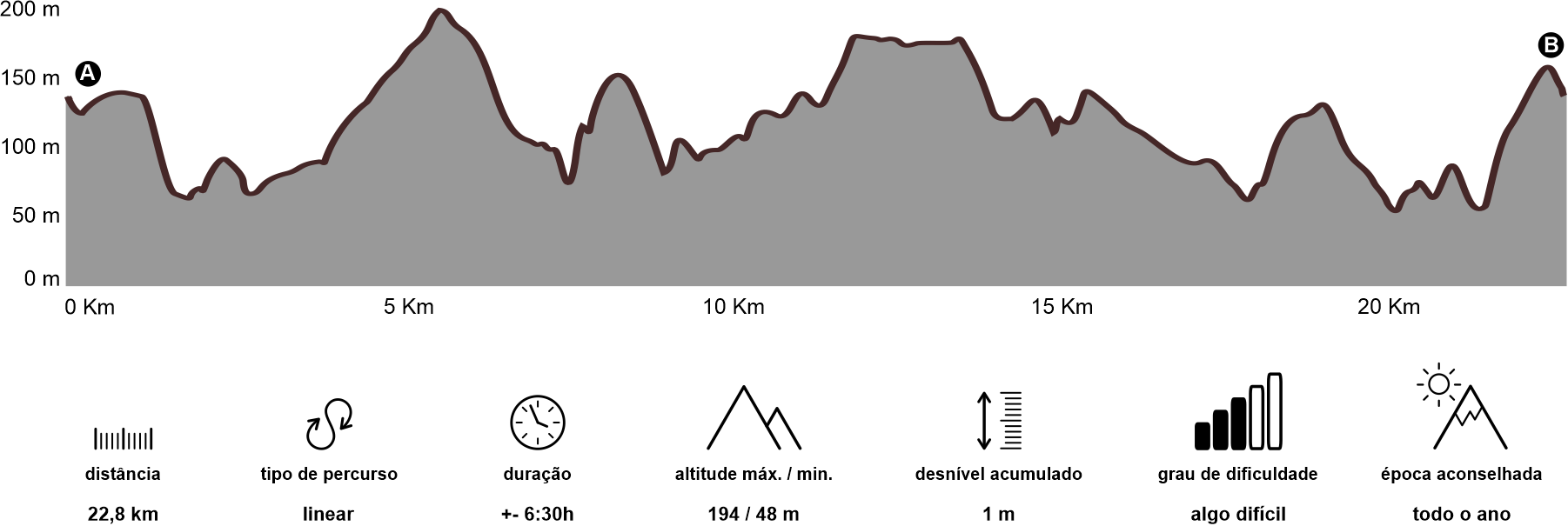
No coração mais profundo do concelho, o percurso revela o seu lado mais íntimo e bucólico. Entre o Baloiço da Mó e a aldeia da Fanadia, entras num cenário de vales e colinas onde o tempo parece abrandar. Passando por Vale Serrão, Laranjeira e Ramalhosa, respiras a essência da terra trabalhada e das comunidades que guardam saberes antigos.
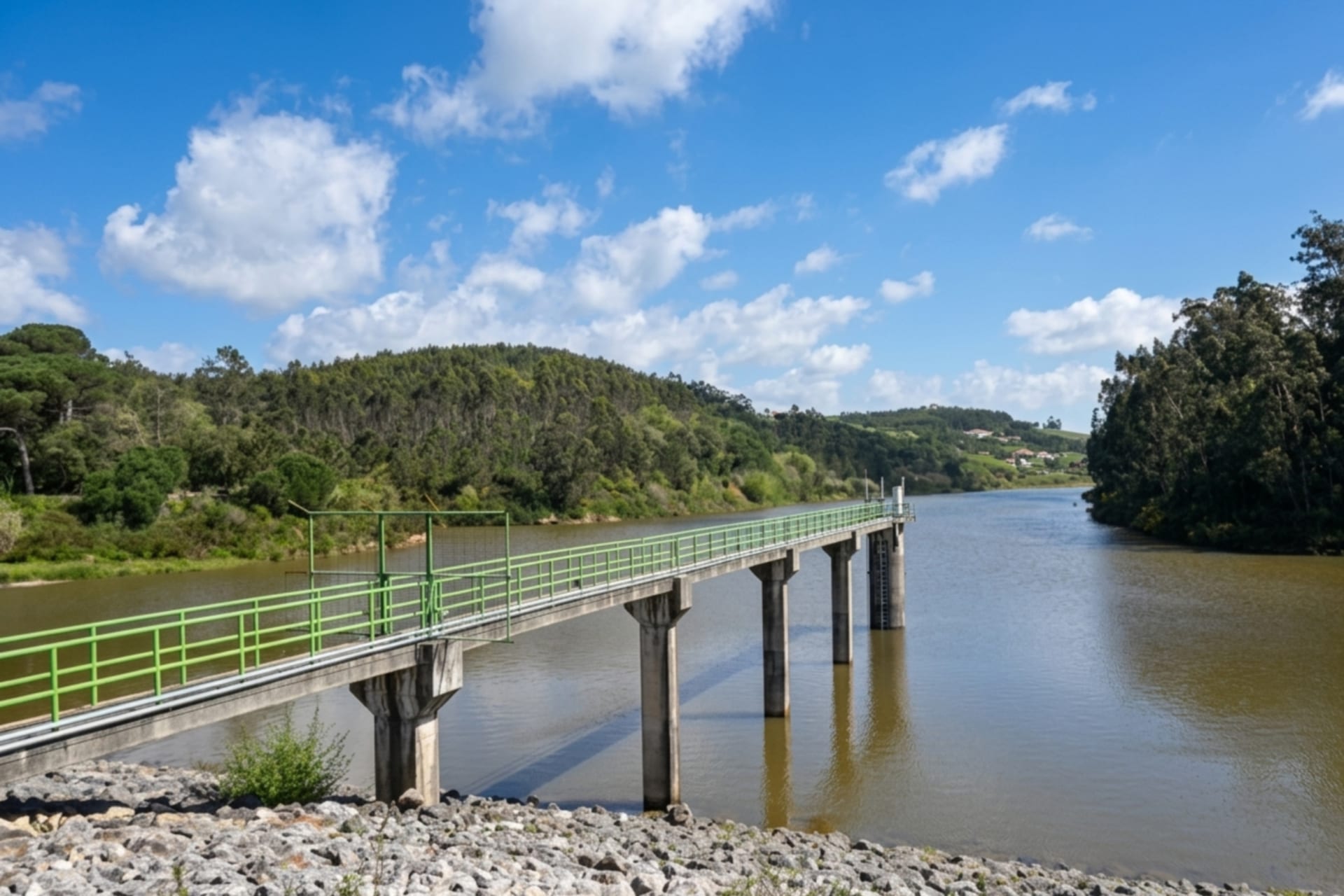
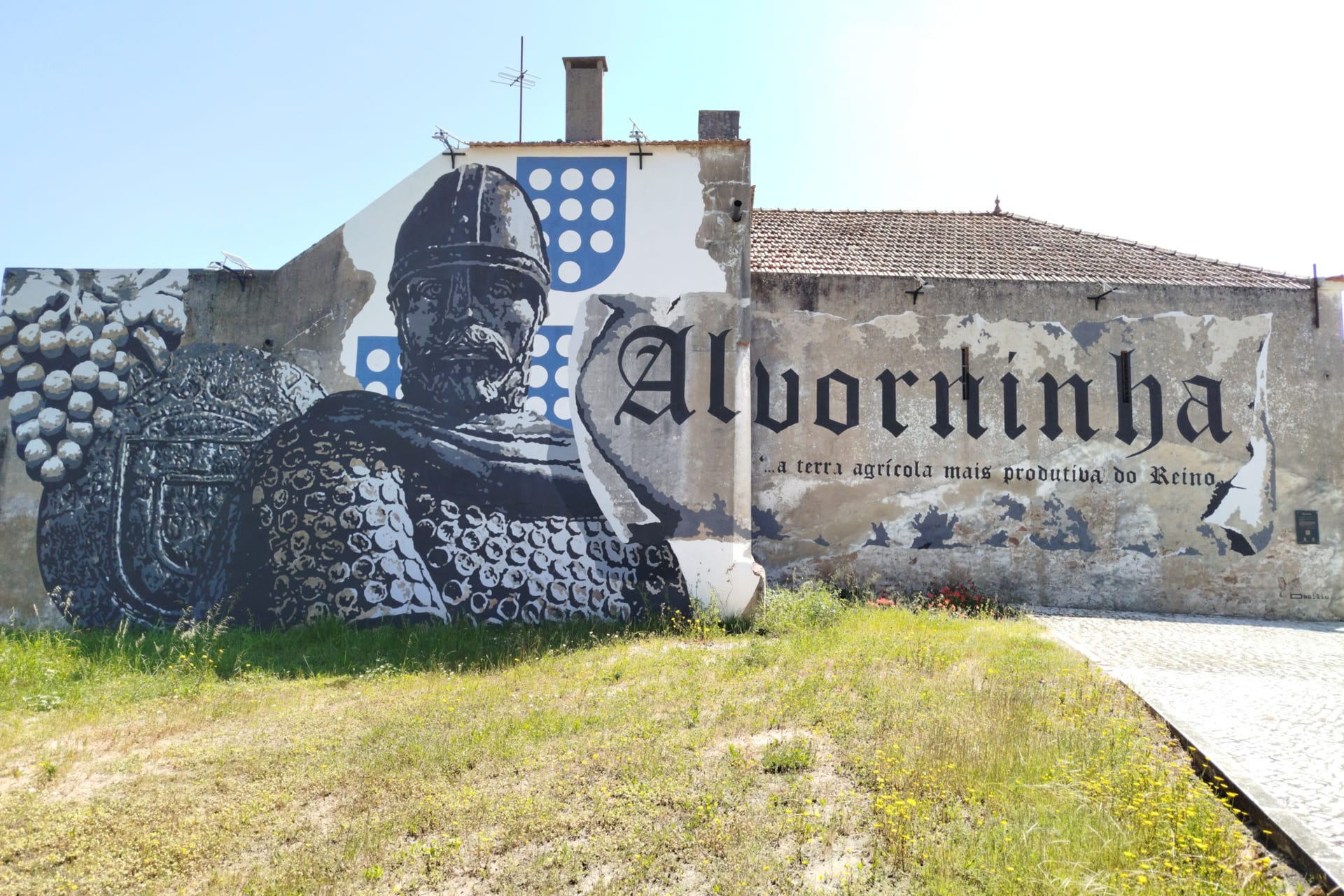
A água volta a ser protagonista na Albufeira de Alvorninha, um espelho líquido escondido entre montes, que traz frescura e serenidade à caminhada. A passagem por Alvorninha e Mosteiros é um mergulho na história antiga, numa terra de património religioso e arquitetónico secular.
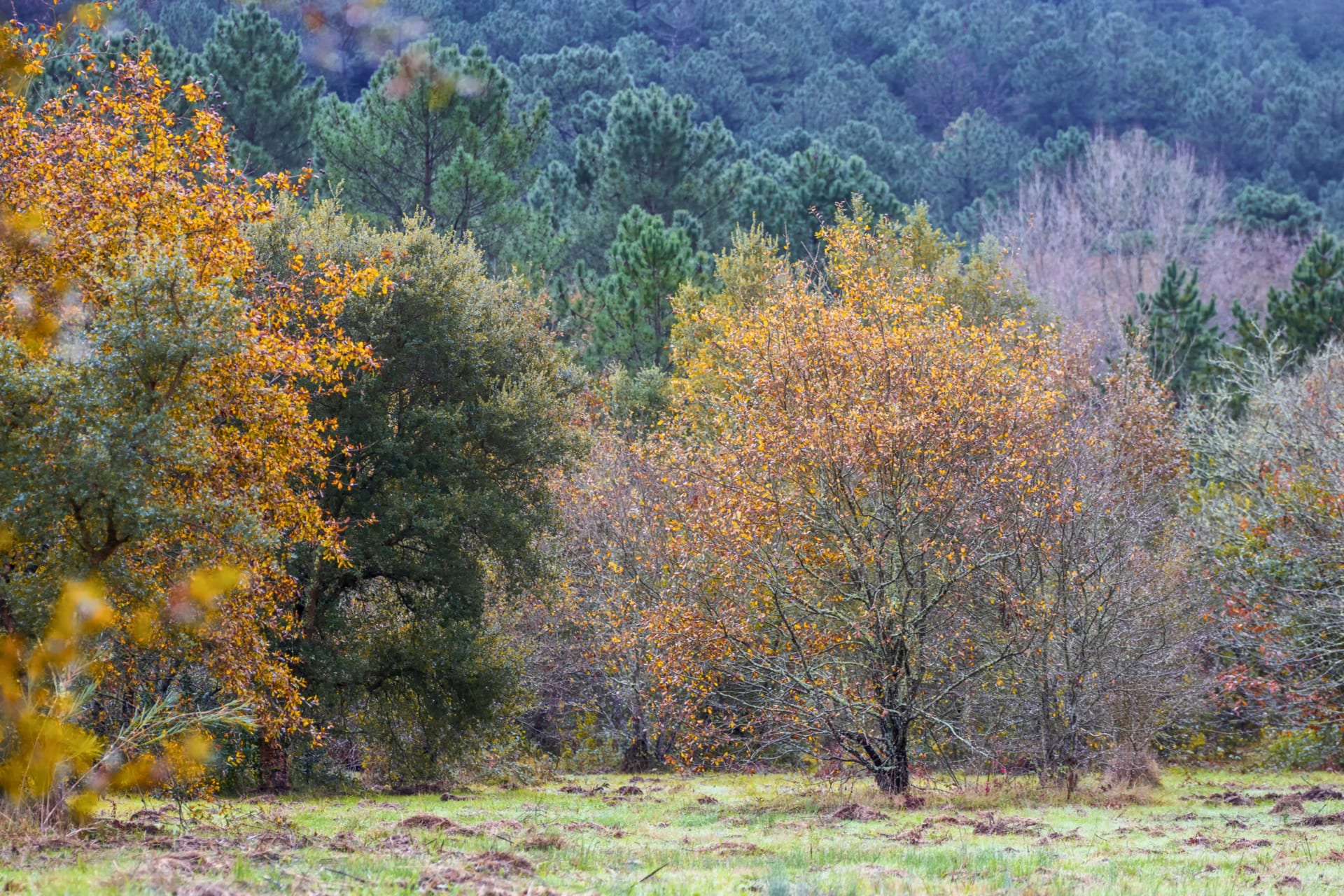
Nos Maios e até chegar à Fanadia, a paisagem é um anfiteatro natural de tranquilidade. Longe da brisa do mar, aqui reina o cheiro da terra húmida, o som do vento nas árvores e a autenticidade pura de um Portugal rural preservado. É o remate perfeito, enraizado na tradição e na beleza simples da natureza.



Como Chegar
GPS (A)
GPS (B)
Sinalética





Normas de Conduta
- - Evitar fazer ruídos desnecessários;
- - Observar a fauna sem perturbar;
- - Não danificar a flora;
- - Não deixar lixo ou outros vestígios de passagem;
- - Não fazer lume;
- - Não colher amostras de plantas ou rochas;
- - Ser afável com as pessoas que encontre no local.